

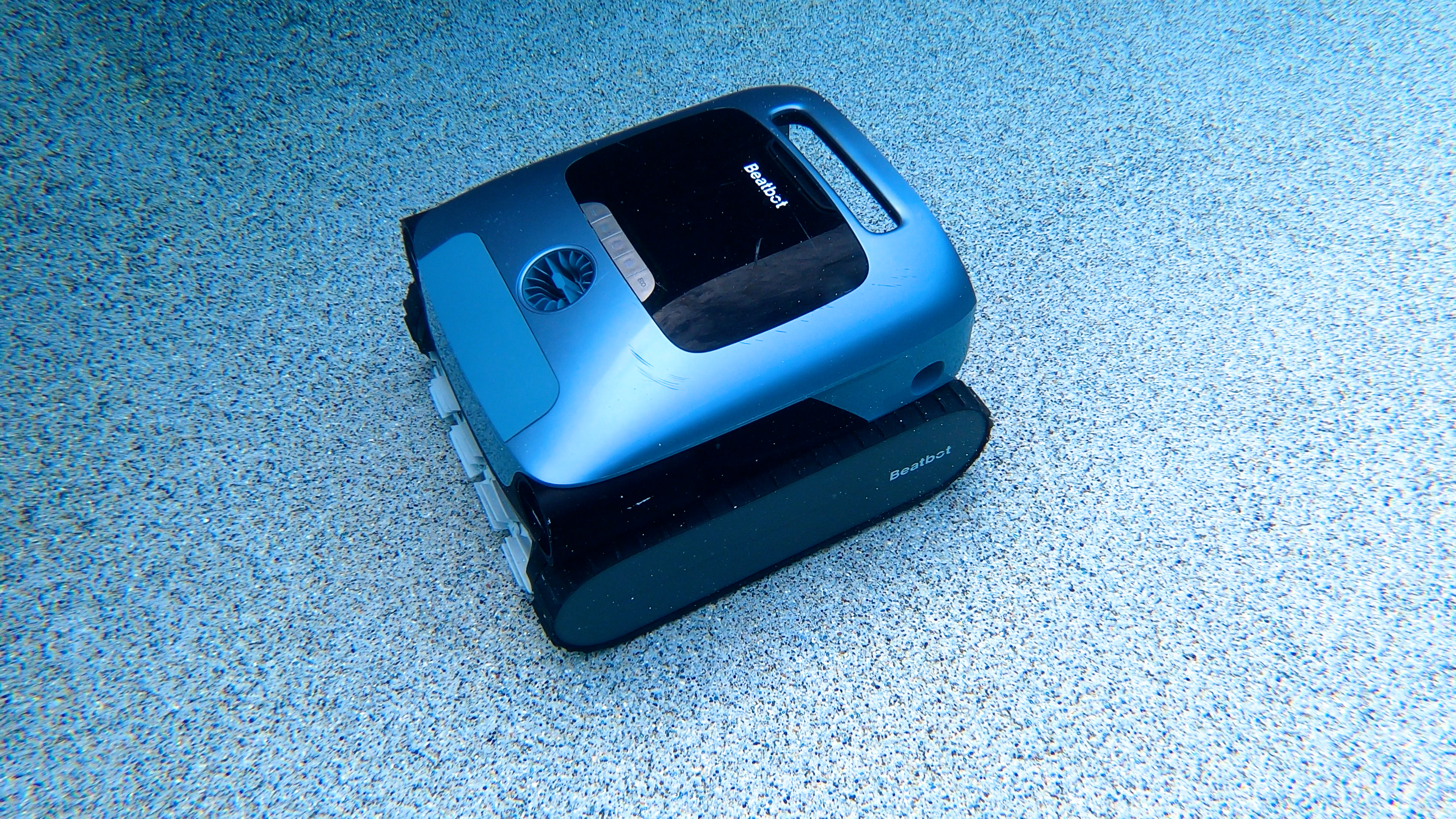
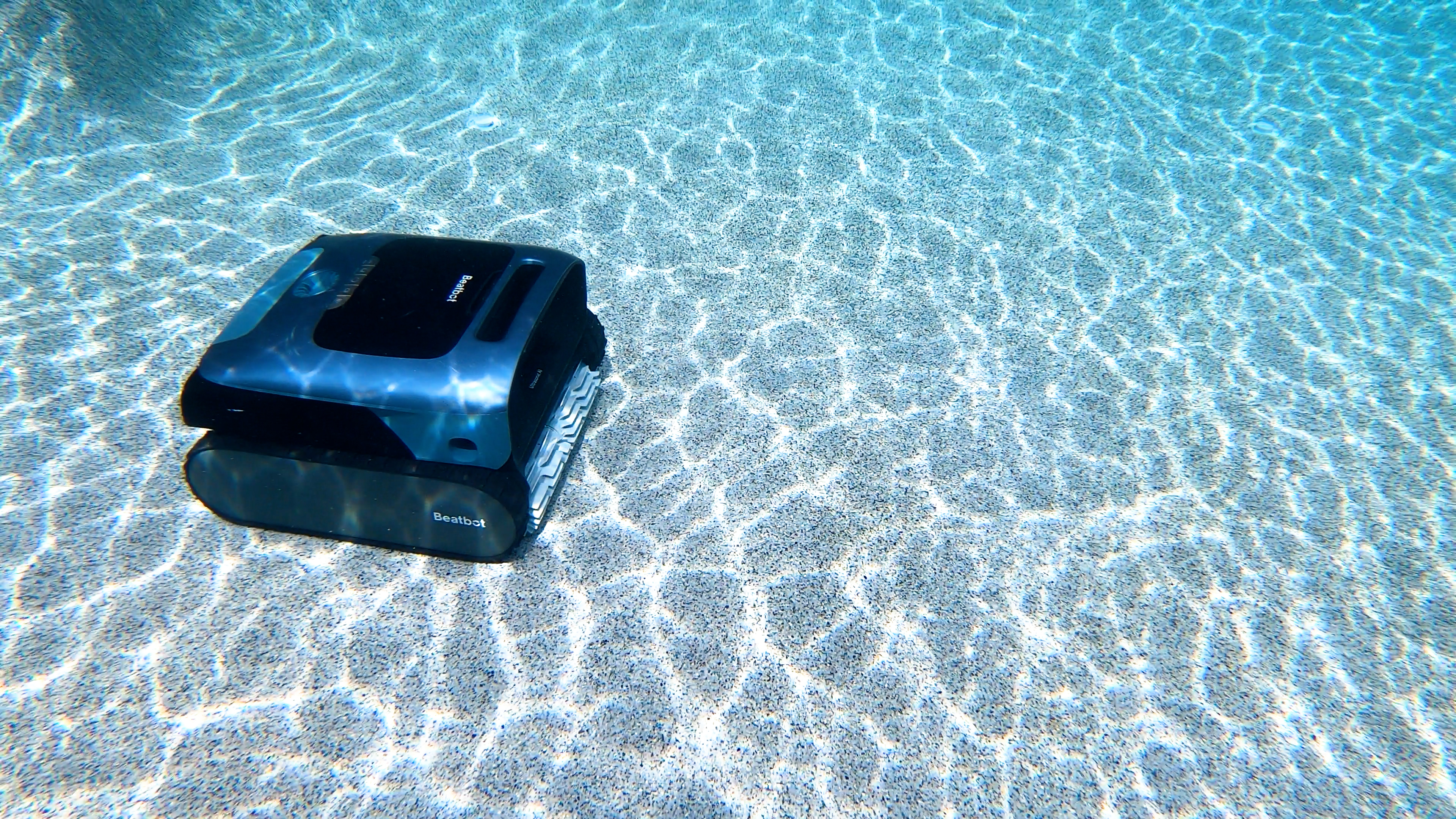
Alright, let's talk about the Beatbot AquaSense 2 Pro.
It's got all the right buzzwords—AI mapping, wireless charging, sleek design, even a "smart" app. On paper, it looks like the future of pool cleaning. And at $2,099, it honestly should be.
But here's the thing, it's not.
I'm Ryan with ActuallyUsed. And today, we're taking a closer look at the Beatbot AquaSense 2 Pro.
I bought it, used it, lived with it, and ran it side by side with some of the best robots out there. And honestly? For something that costs over two grand, I expected way more.
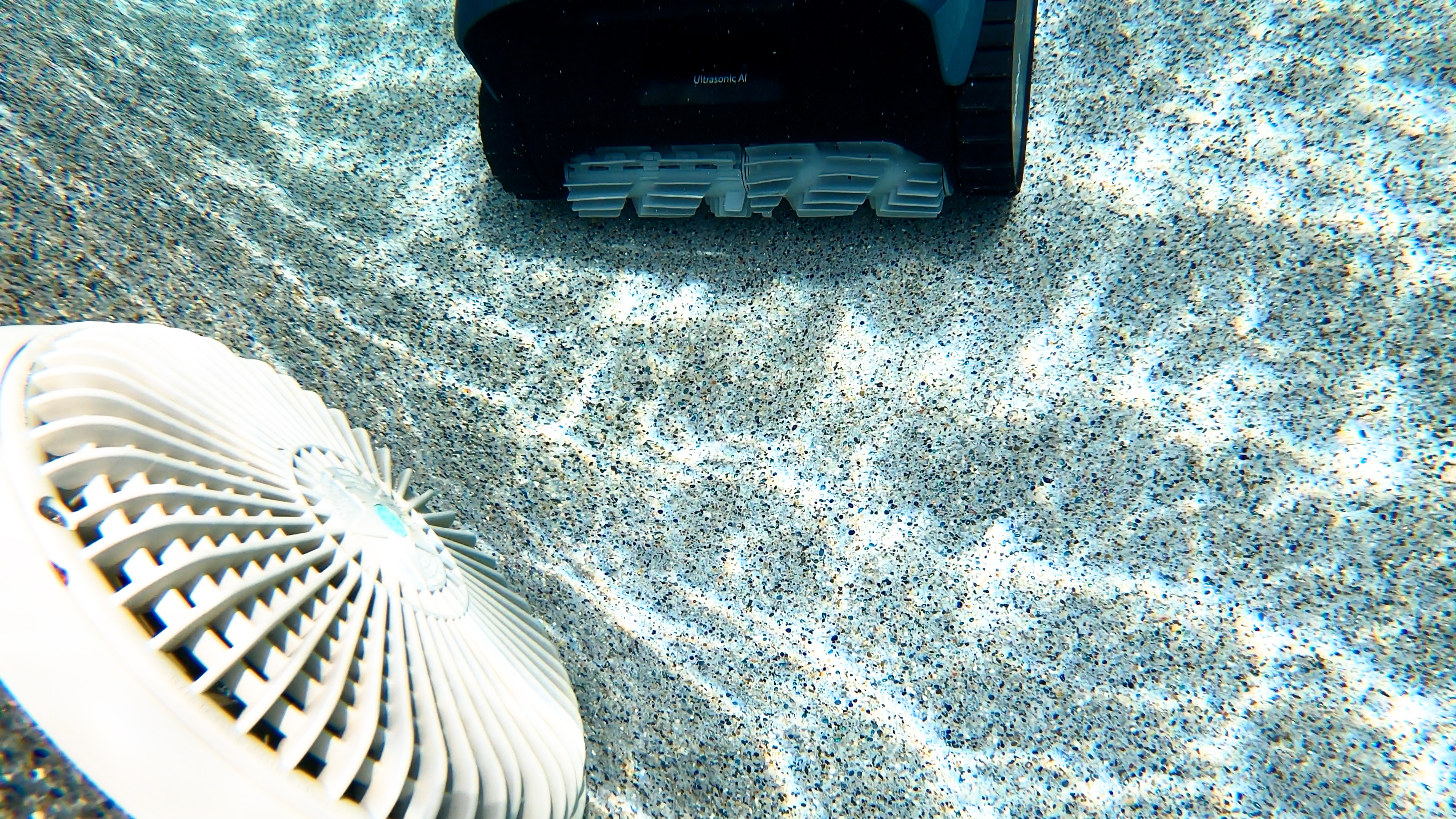
It looks premium. But when it comes down to actual performance? You might be surprised how often I found myself babysitting this thing. Recharging it. Fishing it out of the pool. Wondering if it actually finished the job.
In this review, I'm going to break down what it's like to really use the AquaSense 2 Pro—not just the marketing claims, but the day-to-day stuff. I'll also show you how it stacks up against top corded robots like the Dolphin Premier and Sigma, including a suction test with my manometer to give you some actual numbers and how these robots have nearly 50% more suction power.
App Experience
On paper, the app is a highlight. You get mode switching, retrieval, mapping views, battery stats. Sounds like something out of a Tesla dashboard.
In practice? It only connects when the robot's at the surface—and even then, it's hit or miss. You can't steer it underwater. You can't update anything mid-clean. You can't even reliably pull it up unless you're standing right there with your phone. If the robot dies mid-cycle, it just sinks. No cord. No handle. You're back to fishing it out with your pool pole, praying the hook doesn't crack under the weight of a waterlogged robot.
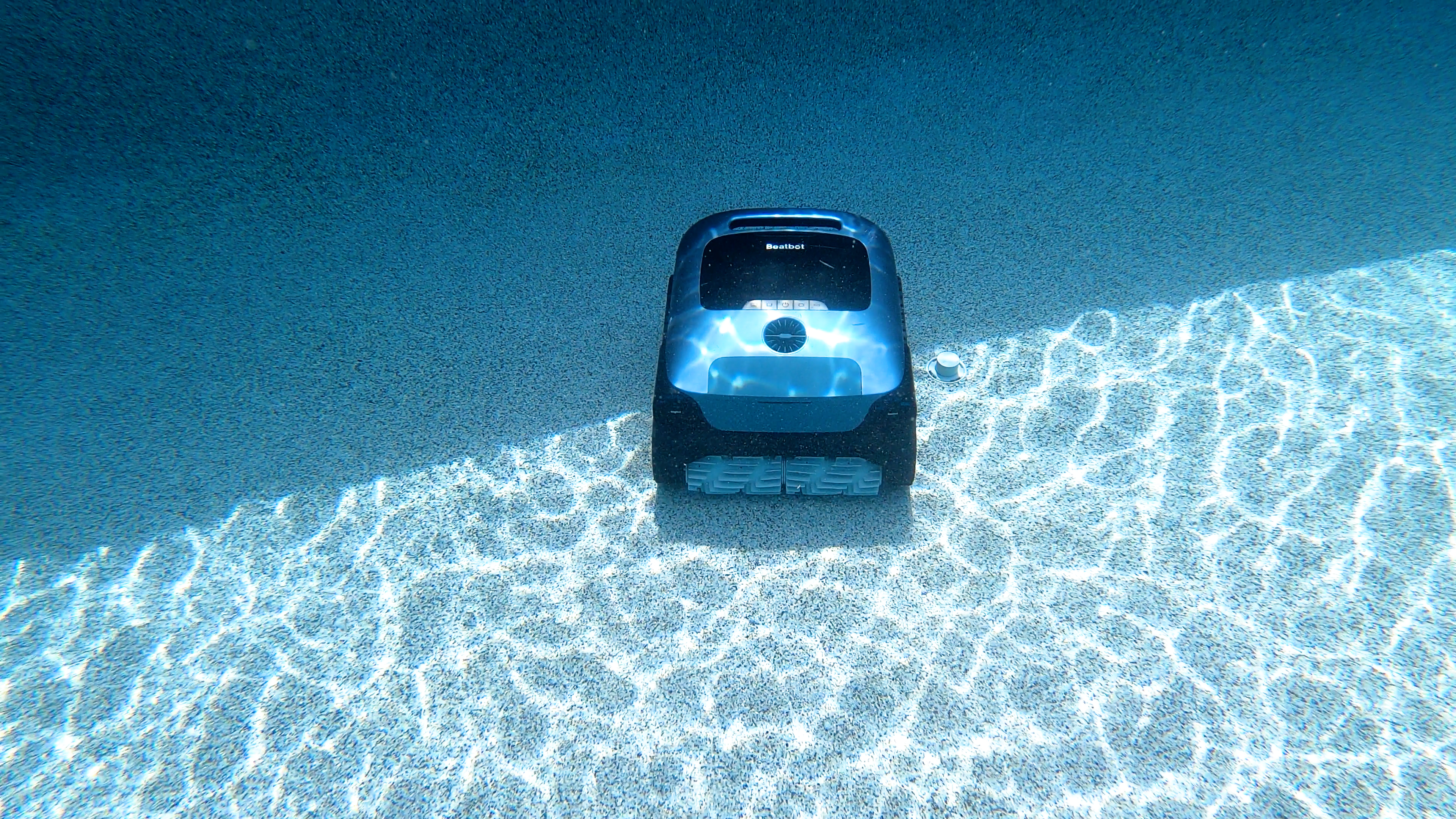
It's high-tech until it's not. While it will float at the surface once the battery gets low, if you're not home or watching it, it floats right back to the bottom. It's just another one of those things about this robot that's a good idea, bad execution.
Filtration System
This was probably the most disappointing part for me. Because when you spend over $2,000 on a robot, you expect the filtration system to be dialed in. This isn't just a cosmetic feature—filtration is literally the core function of a pool robot. That's the job: pick up debris and trap it before it recirculates through your pool.
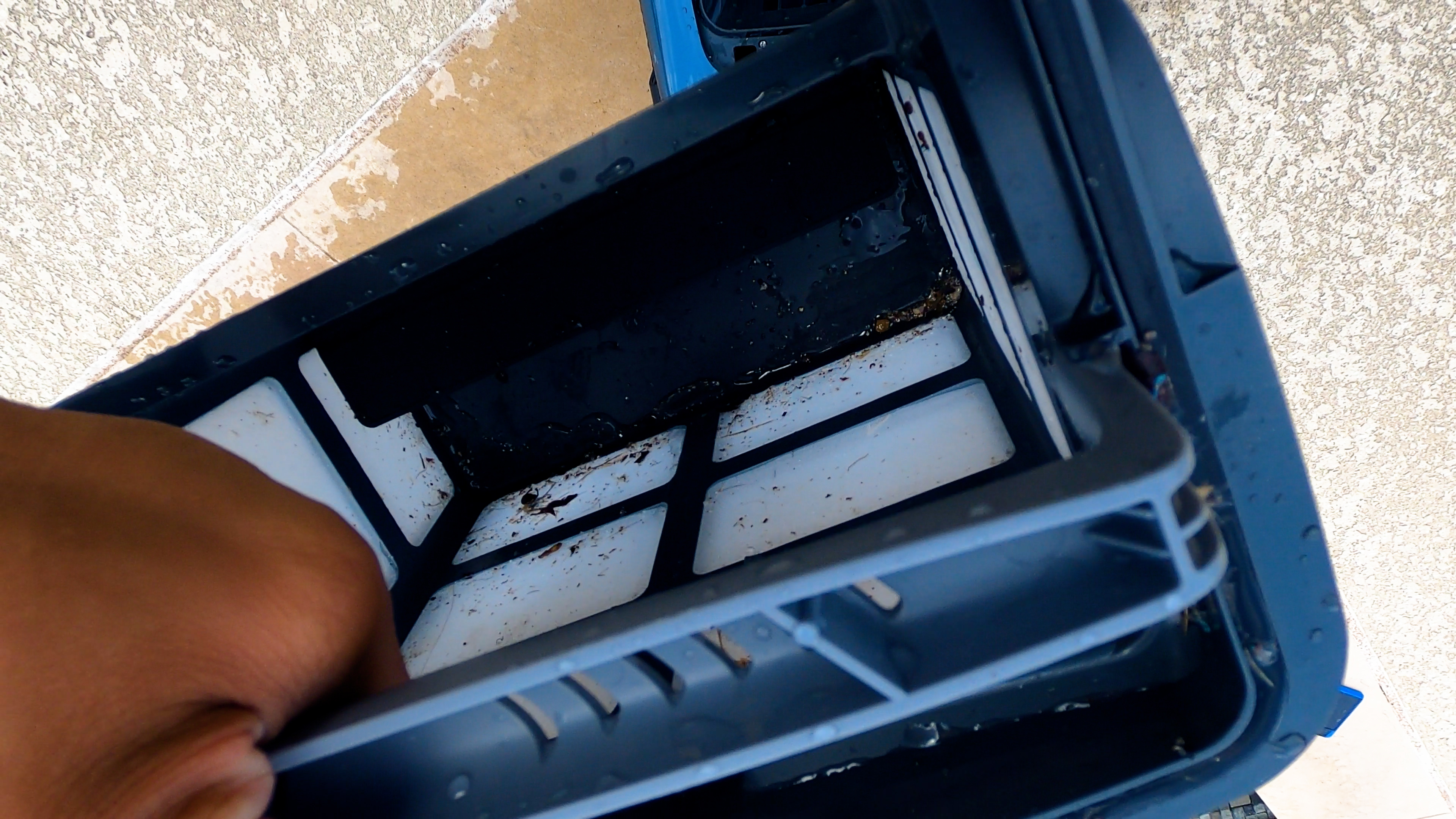
And yet, the AquaSense 2 Pro ships with what I'd describe as a fabric screen. No pleats. Just mesh stretched across a plastic tray. It's better than the base AquaSense 2, but still feels like a step behind where premium filtration tech is today. It is dual layer, but it seems to be just mesh and I wouldn't call it ultrafine at all.
Compare that to something like the Dolphin Premier or Sigma, which use NanoFilters—a rigid, pleated, ultrafine material that traps everything from sand to silt to pollen. It's the kind of filtration that actually leaves your pool looking polished after a cycle. More surface area, better airflow, and more efficient debris collection. You clean it less often, and it picks up more with every pass.
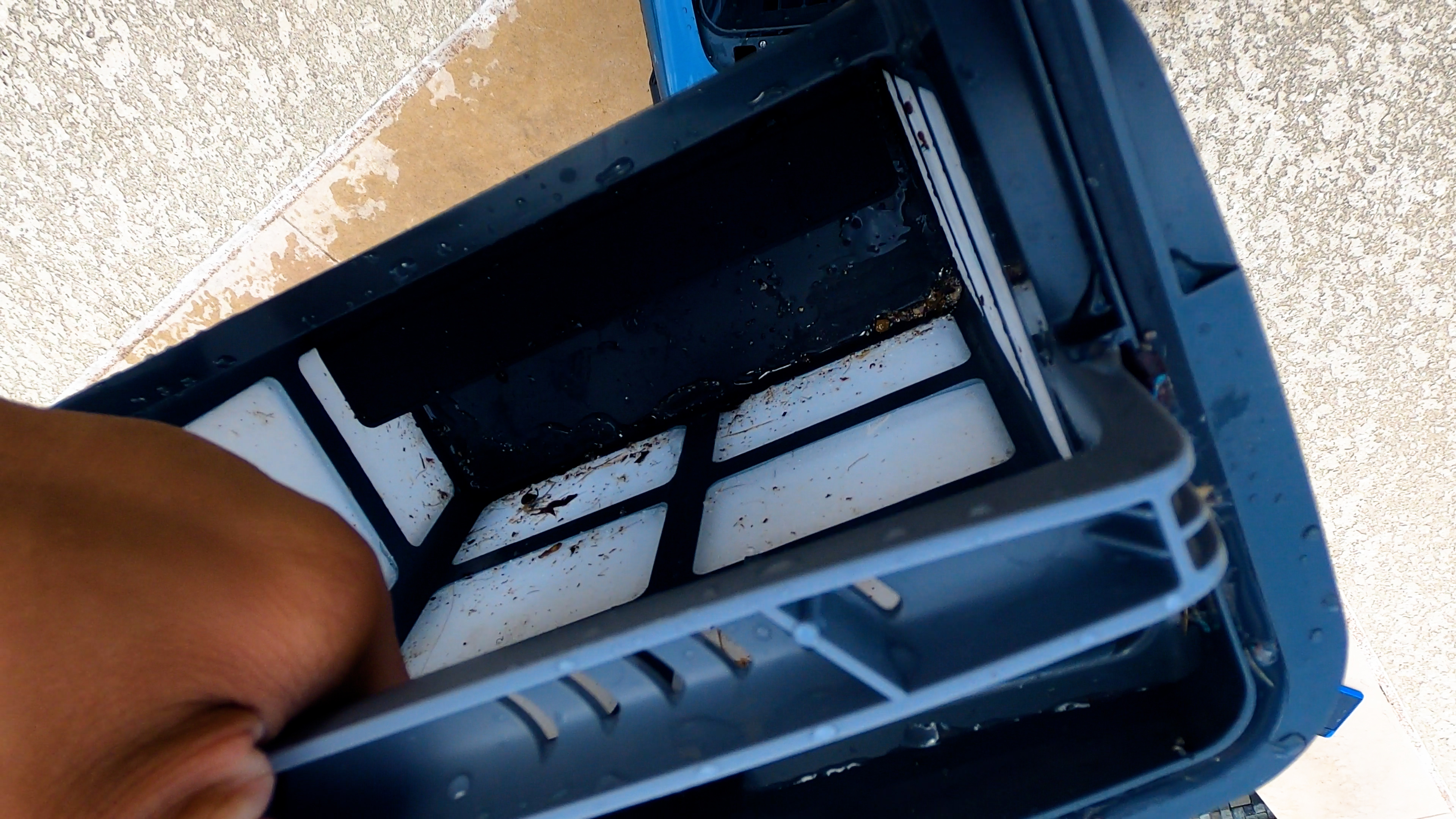
In the AquaSense 2 Pro, I saw fine dirt settle back into the water as soon as I lifted the robot out. That's because the filter doesn't trap particles—it just sort of gathers them loosely until you rinse them away. And when it comes to larger debris like leaves or pine needles, the flat screen clogs quickly. Once it does, suction drops off a cliff and cleaning performance goes with it.
And once debris falls out of your cleaner when you're taking it out of the pool, it's pretty frustrating.
It's not just an annoyance—it's a bottleneck. You've got a robot with all this tech: mapping, app control, wireless charging. But if the filter can't keep up, none of it matters. You end up running extra cycles, rinsing out filters more often, and doing more manual work for a robot that was supposed to save you time.
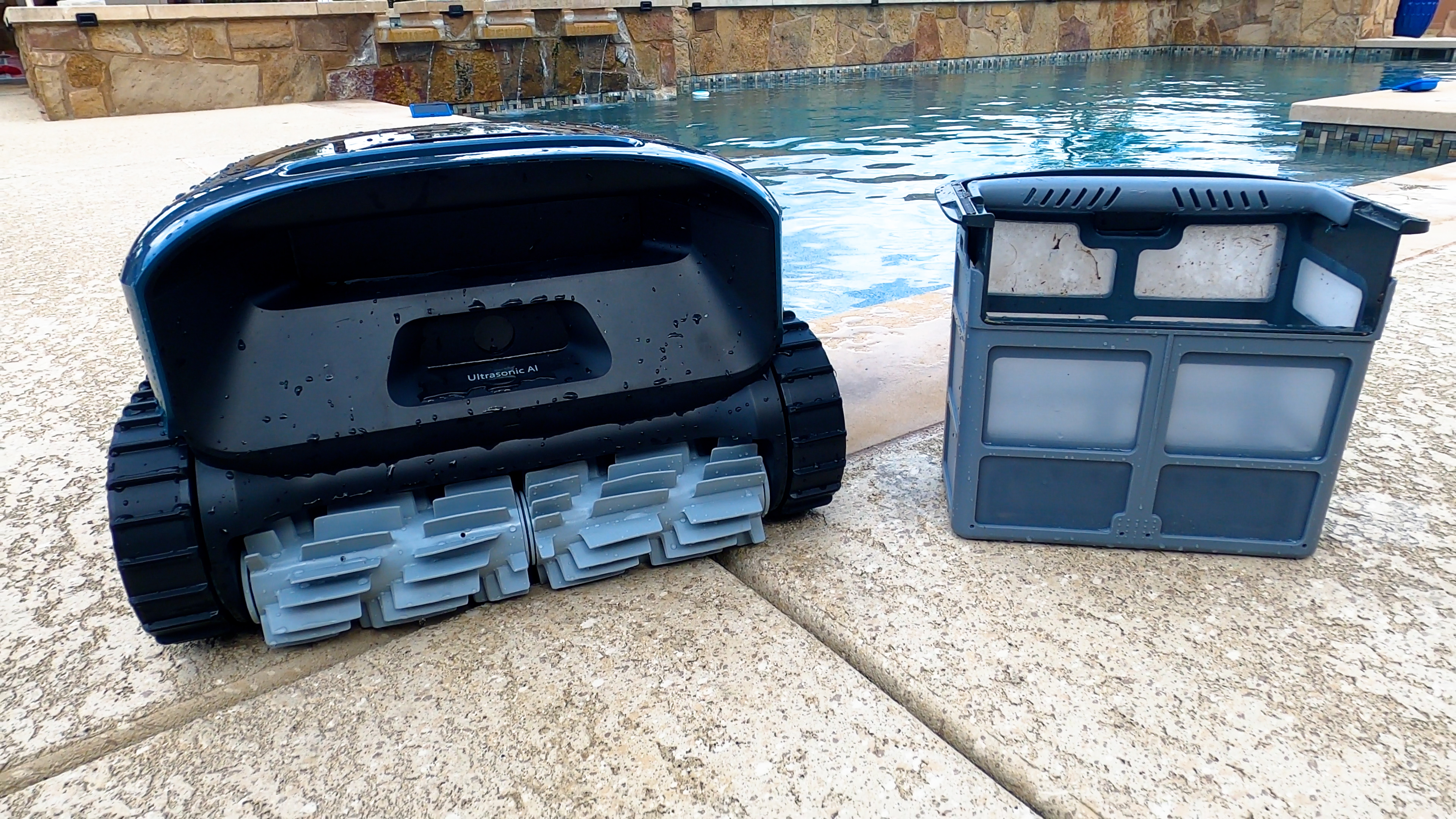
At this price point, I expect—and honestly need—a real, pleated ultrafine filter. Something that competes with the best on the market. Instead, what you get feels more like a mid-tier compromise dressed in premium packaging.
And again, when you stack it against something like the Premier or the Sigma? It's not even close. Those filters are reusable, rinse clean fast, and catch way more—especially the stuff you don't see. The AquaSense 2 Pro might look futuristic on the outside, but its filtration system is still stuck in the past.
For me, that's a dealbreaker.
Battery Life & The Daily Chore
And the filtration isn't the most frustrating part, it's the battery life.
Battery Life
Let's talk battery life—because this is where the cordless dream turns into a daily to-do list.
The cleaner runs just fine for about three hours, which is standard for most pool robots. But here's the catch: once it's done, you're waiting another several hours for it to recharge. There's no quick swap. No backup battery. Just a long wait.
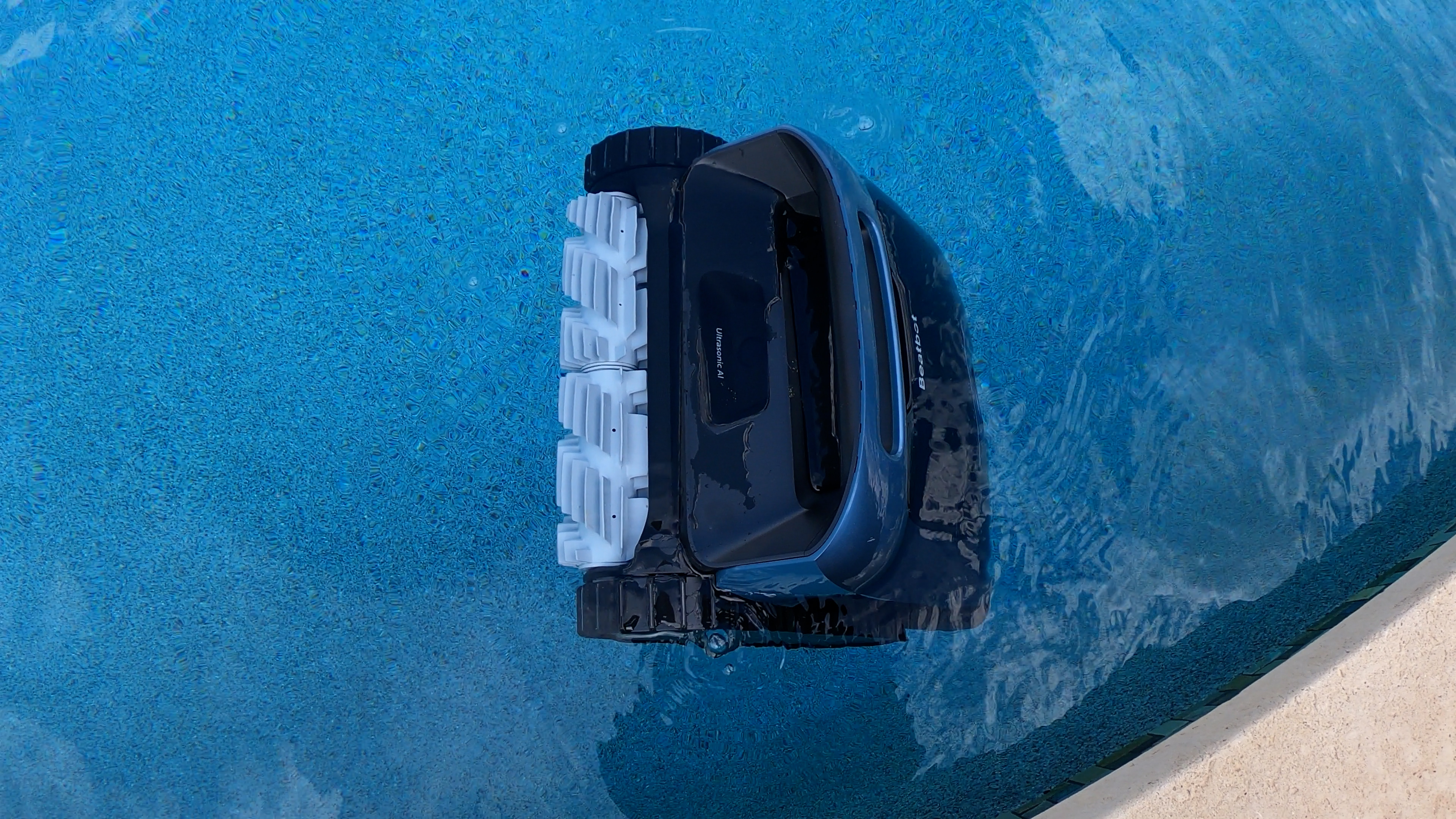
So what does that mean for you? Interaction. Every. Single. Day.
You drop it in the pool. Then you fish it out, dry it off, and line it up on the charging stand just right so the wireless coils connect. That's two manual interactions per day. Multiply that by 7 days? That's 14 times a week you're messing with this thing.
Comparison with Corded Alternatives
Now compare that to something like the Dolphin Sigma or Premier. You press one button, it cleans. With the Weekly Smart Timer, it starts itself daily and cleans your pool. Maybe clean the filter once a week. That's one interaction. Fourteen vs. one.
And time-wise? Let's say each interaction takes just 5 minutes. That's 70 minutes a week of pool robot management with the AquaSense 2 Pro. Over a month? That's nearly 5 hours of your time gone. For a "smart" robot.
Compare to just 5 minutes once a week for the corded alternatives that are cheaper, have better filtration, and better suction—it's not worth it.
This isn't automation—it's a part-time job.
Suction Power
Here's where it really falls apart for me: suction power.
To really compare suction power, I used a manometer, which is a tool that measures pressure—in this case, the vacuum pressure generated by each robot's intake.
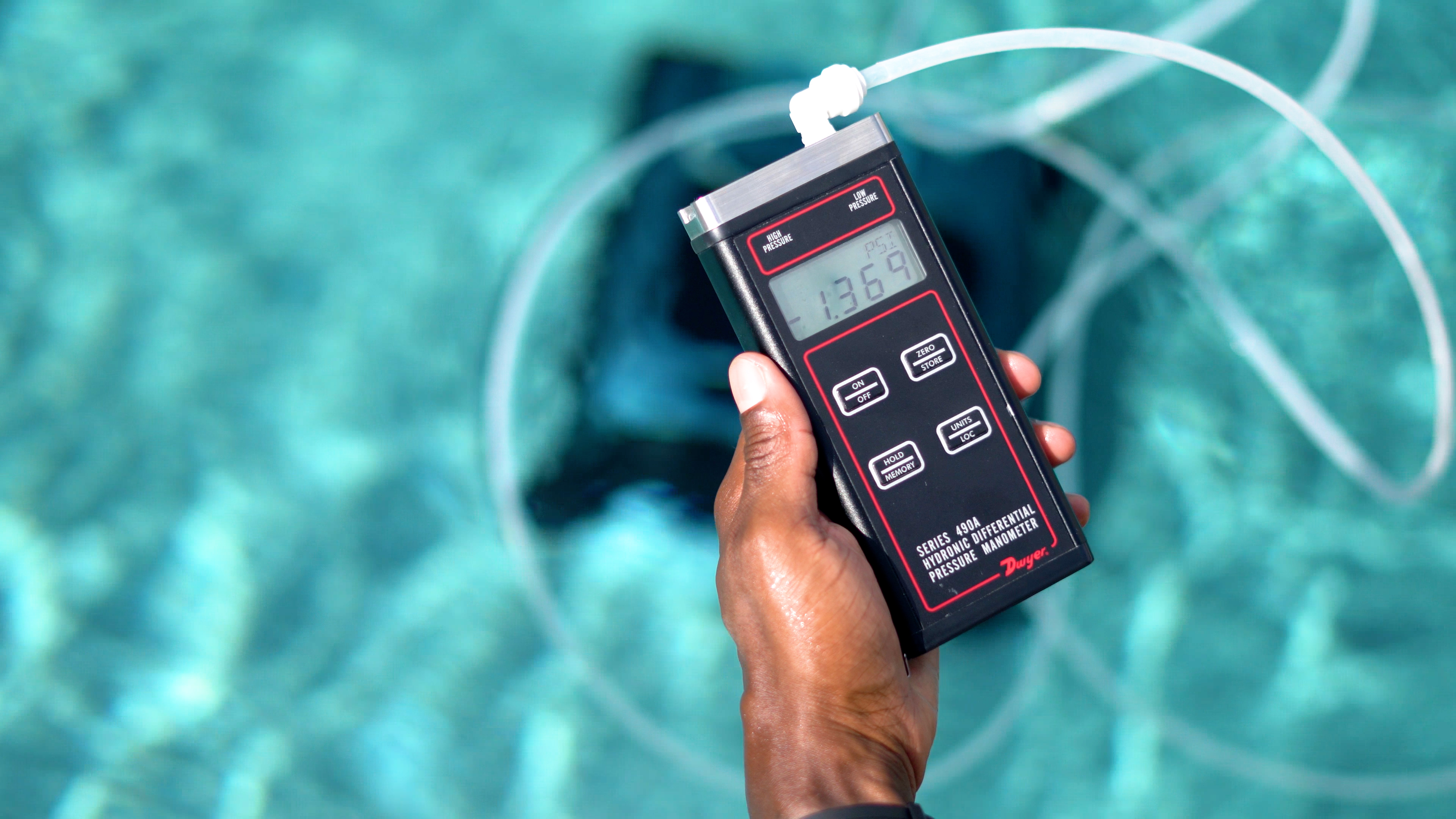
I ran each cleaner in the same pool, with the same amount of debris, and used the manometer to measure the suction force directly at the intake while the robot was actively running.
This isn't just some lab test—it simulates what the robot is actually doing when it tries to lift leaves, sand, and dirt off your pool floor. Why does that matter? Because stronger suction means fewer missed spots, fewer passes to get the job done, and a cleaner pool without babysitting. It's one of the most important performance metrics for any pool robot—and one most brands never show you. So I did.
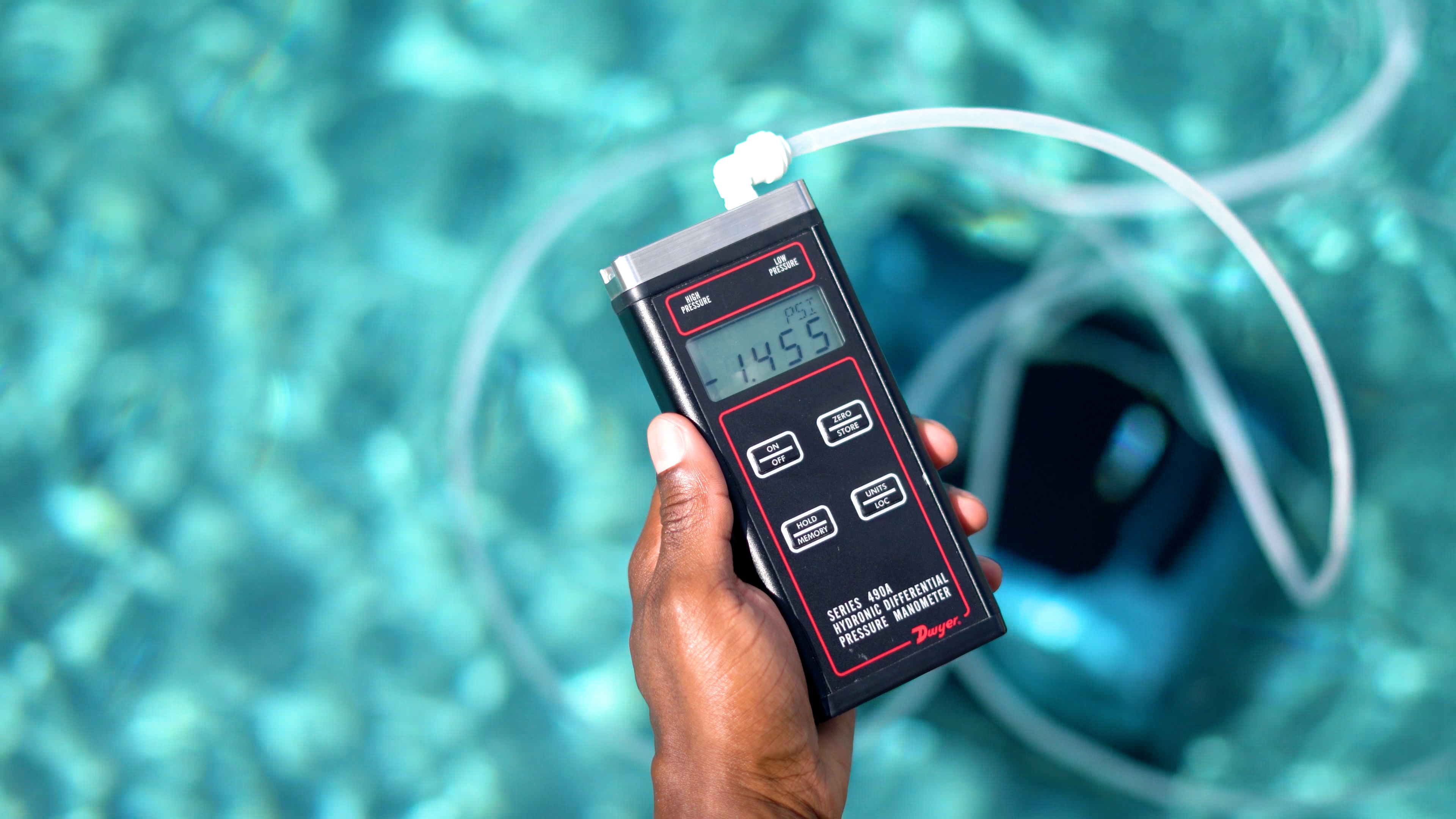
The AquaSense 2 Pro gave me 1.5 PSI in my manometer tests. Not bad for cordless, but not flagship either. The Dolphin Premier? Pulled a consistent 2.2 PSI under the same conditions. That's a 46.7% increase in suction power. Same debris, same pool, same test.
That's not a stat. That's the reason your pool is—or isn't—actually clean.
Cordless robots lose suction as they run. The battery drains, and the motor power drops with it. So that 1.6? It's best-case scenario. Halfway through a cycle, it's working with even less.
Corded robots don't fade. They run on constant current. Which means 100% suction, from start to finish, every time. They don't guess. They don't throttle. They just clean.
And when you're spending more than you would on most corded cleaners, I expect more—not less.
The Pro Experience? Or Pro-Level Frustration?
Look, I wanted to love this thing. It's got the right ideas. It looks great. The wireless charging dock is cool. The AI 3D mapping is slick. But at the end of the day, it's not about features—it's about how well it cleans the pool.
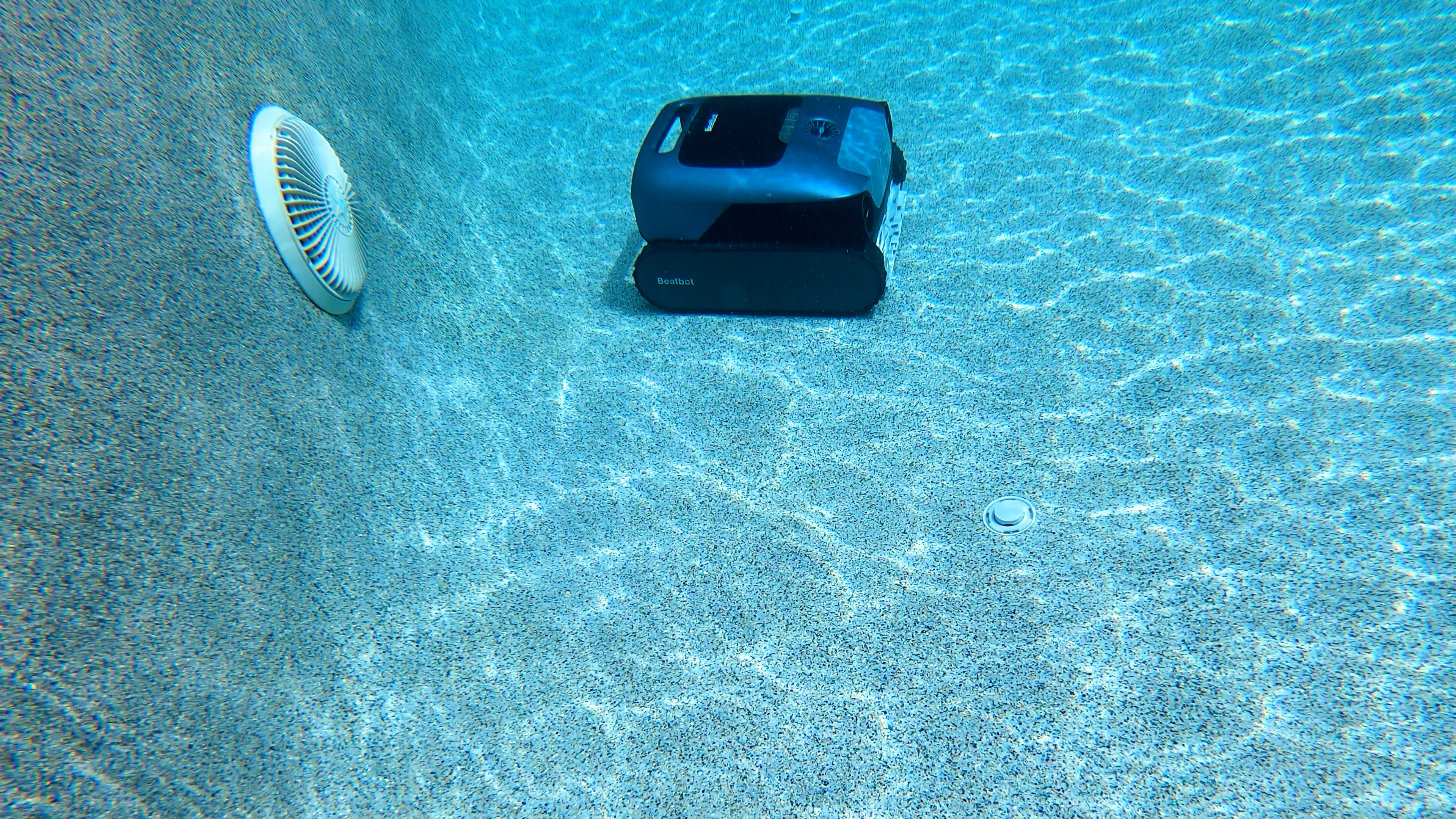
With the AquaSense 2 Pro, I felt like I was always tending to it. Cleaning the filter. Recharging it. Resetting the app. Wondering if it actually finished the job.
For $2,099, it should be the best thing I've ever used. But the Dolphin Premier and Sigma both outperform it—and they cost less. It's a premium shell with mid-range brains. And that doesn't cut it.
Would I Buy It Again?
No chance.
And that's not me being dramatic—it's just the honest conclusion after actually living with this thing for weeks. At over two grand, I expected something close to perfect. But what I got was a robot that looks great on the outside and demands way too much attention to justify its price.
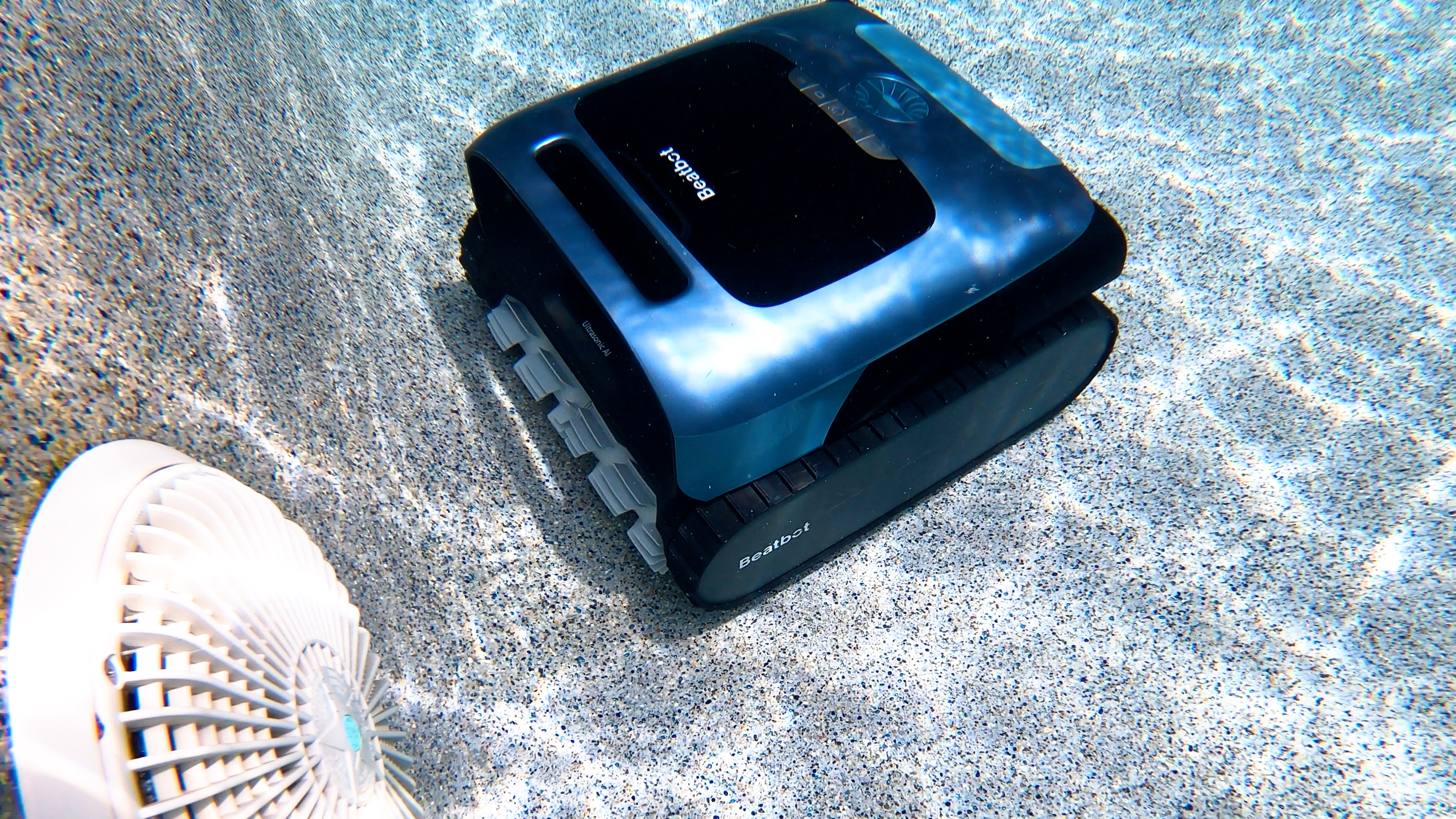
This is one of those situations where spending more doesn't get you more. You're not paying for better cleaning. You're not getting stronger suction or more consistent performance. You're paying for the idea of convenience—cordless, wireless charging, smart features—but in reality, you're giving up the things that matter most: reliability, power, and true set-it-and-forget-it automation.
Cordless sounds great in theory. No cords to trip over, no control box, no tether. But in practice, you're trading those little conveniences for daily recharging, reduced suction, and filters that clog faster. And if you forget to charge it—or don't feel like dealing with it that day? Your pool just... doesn't get cleaned.
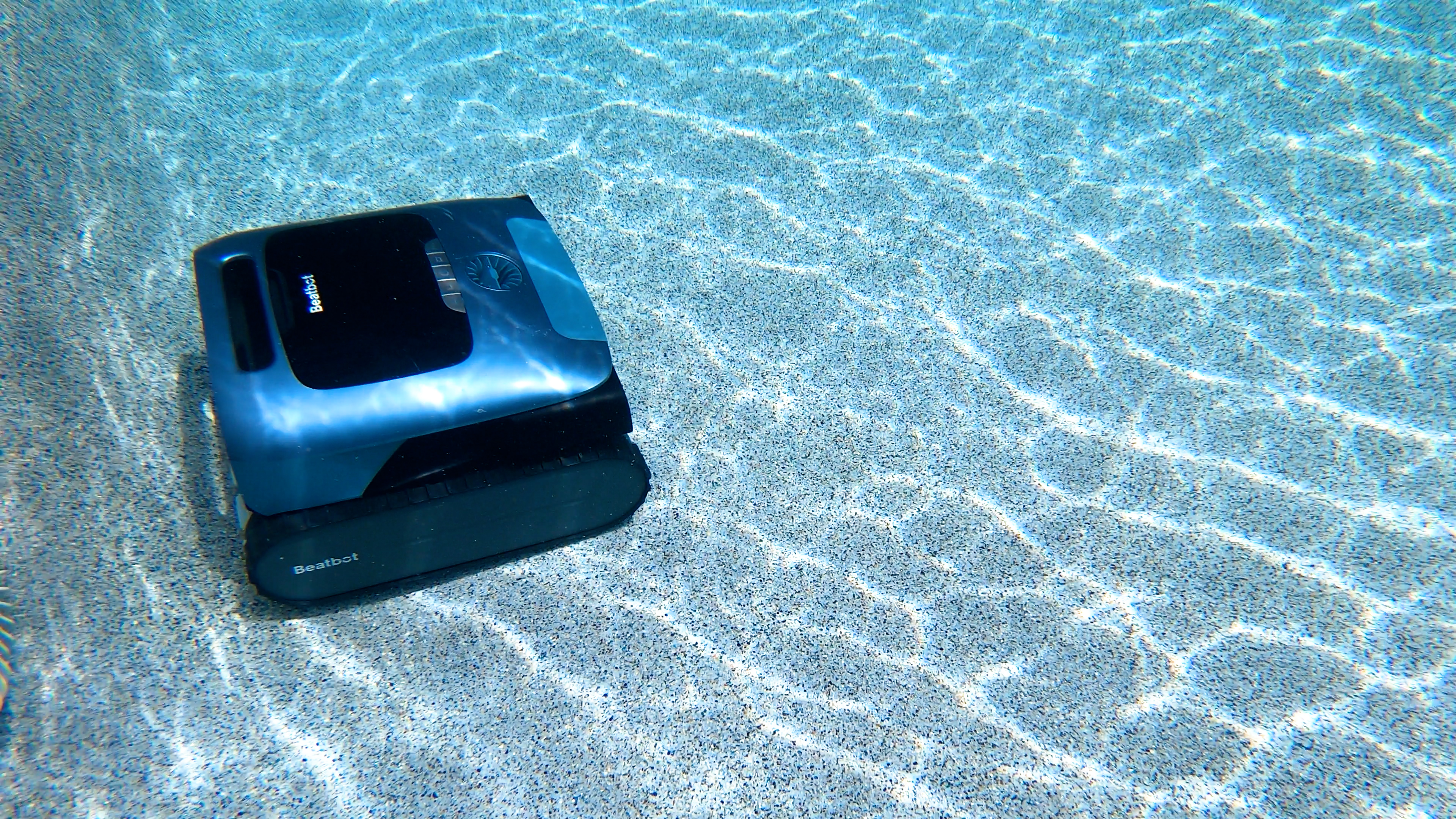
That's not the deal I signed up for.
If you're spending this kind of money, you deserve a robot that shows up every time and finishes the job without making you think about it. And in my experience, that means going corded. The Dolphin Premier, Sigma, and Quantum? They just work. Plug them in, schedule a clean, walk away. The pool stays clean, and you get your time back.
So would I buy the AquaSense 2 Pro again?
Nope. Not even close.
What Should I Buy Instead?
If you're still shopping, I've got three solid recommendations—all of them corded, all of them proven.
What Should I Buy Instead?
If you're serious about getting a robot that actually saves you time, here are three models I trust—and they all have a few key things in common: powerful corded operation for consistent suction, NanoFilters for real ultrafine debris capture, and built-in weekly timers so you can set it and forget it. Oh, and here's the kicker—they're all less expensive than the AquaSense 2 Pro.
-
Dolphin Premier - This is my personal go-to. It's powerful, consistent, and gives you interchangeable filter options—including a massive leaf bag and Dolphin's NanoFilters for fine debris. The suction stays strong from start to finish, and with the weekly timer, it runs on autopilot. No recharging. No micromanaging. Just a clean pool, every time.
-
Dolphin Sigma - Want the smart features without the cordless compromises? The Sigma delivers. Triple motors. Gyroscopic navigation. And Wi-Fi that actually works because the controller lives poolside—where it belongs. You can start a clean from anywhere, track its progress in real time, and still get the reliability of corded power and top-tier filtration.
-
Dolphin Quantum - If you want premium performance without breaking the bank, the Quantum is that perfect middle ground. You get the same NanoFiltration, an oversized XXL MaxBin that holds way more debris, and the rock-solid suction that Dolphin is known for. It's simple, efficient, and gets the job done without the flashy distractions.
All three clean better, run longer, and require way less effort than the AquaSense 2 Pro—and you'll still have money left in your wallet.
So if you're about to spend $2,099, do yourself a favor—spend it on a robot that's proven.
Thanks for watching, and I'll see you in the next one.