

So, you're thinking about buying the Beatbot AquaSense 2?
Cool. Stop right there.
Because before you drop over a thousand dollars like I did, let me show you what it's actually like to own this thing. I've lived with it. Used it. Tested it side by side with other top pool cleaners. And honestly? I wouldn't buy it again.
Especially not when you compare it to some of the corded pool cleaners I've tested. So in this video, I'm breaking down the features, what it's actually like to use day to day, and I'll even break out the manometer-that's the tool I use to measure suction power-to show you just how much stronger the corded cleaners really are. Spoiler: it's over 50% more suction. I'll explain why that matters and why, for most people, a good corded robot might be the smarter move and which I recommend.
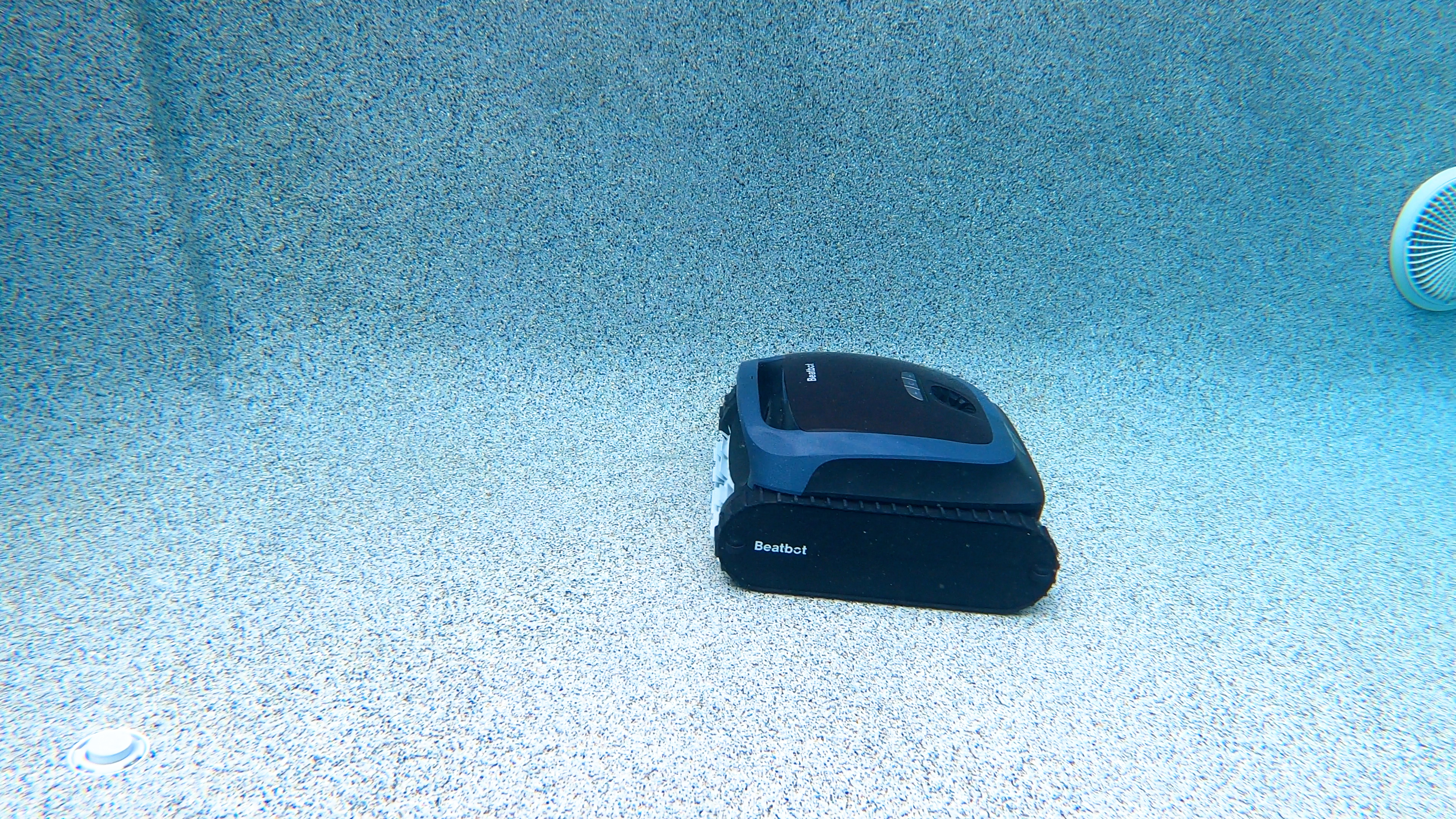
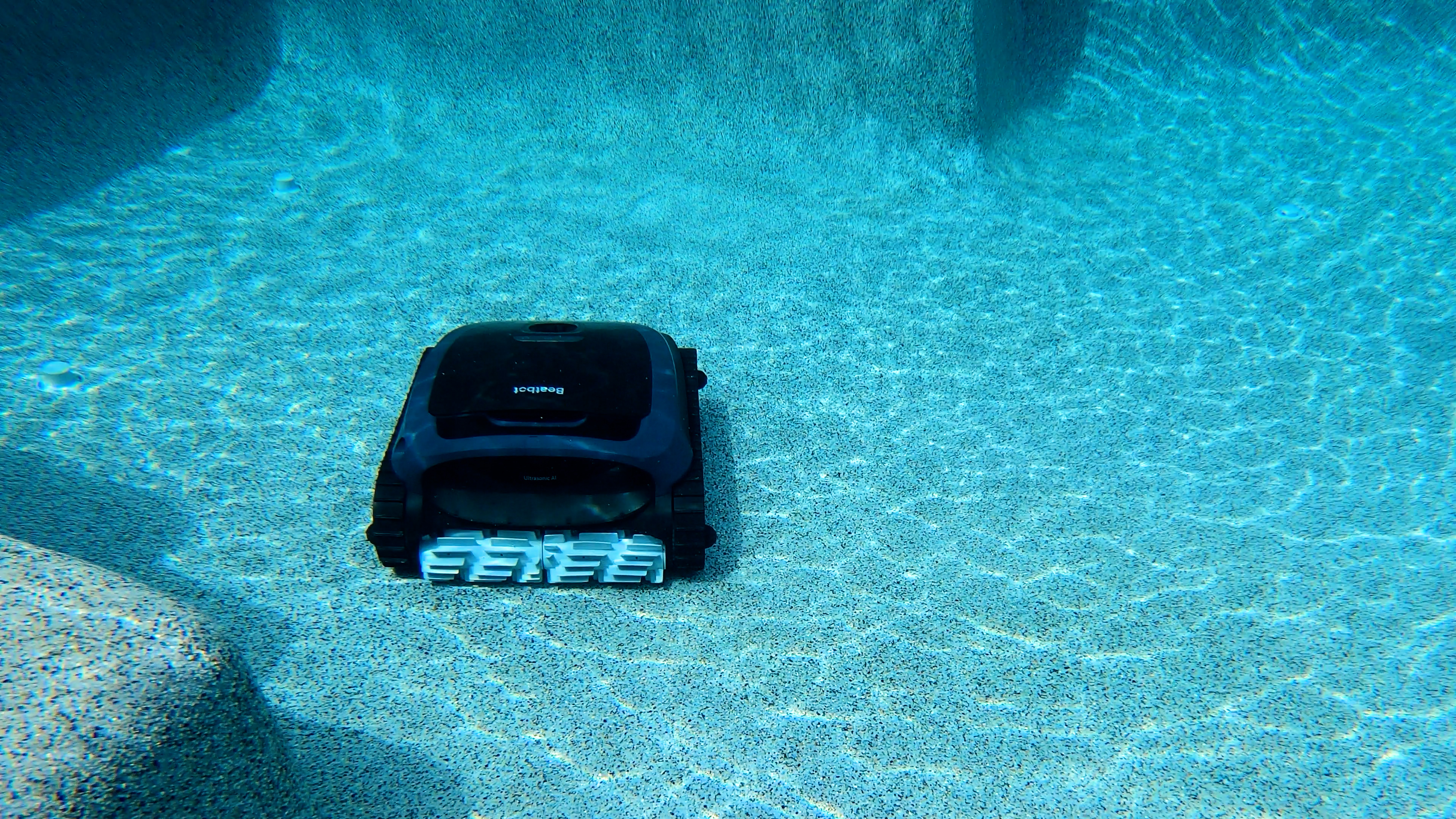
Hey guys, I'm Ryan with ActuallyUsed, and today, we are taking a closer look at the Beatbot AquaSense 2, the cordless entry level robot from Beatbot.
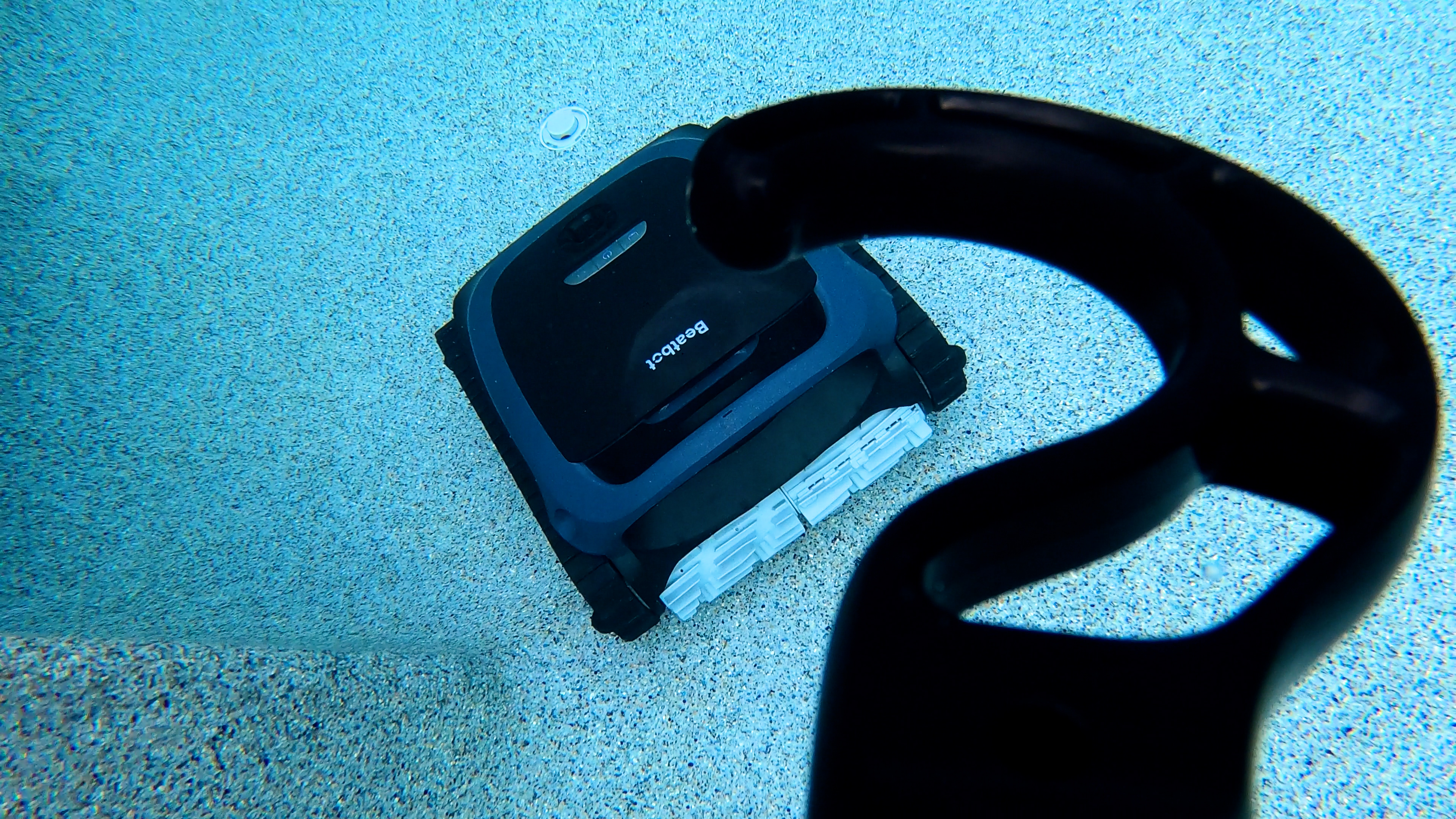
From the marketing, it looks like the future of pool cleaning. They claim you'll save 62 hours a year. But I found myself spending more time managing this robot than any other cleaner I've tested. There's a lot to talk about here-some good, some frustrating-and if you're serious about getting a robot that actually saves you time, you'll want to see this.
Features Breakdown
App Control - In Theory, Cool. In Practice, Annoying.
Beatbot makes a big deal about its app. Supposedly, you can change cleaning modes, retrieve the robot to the surface, monitor battery levels, all from your phone. Sounds great, right?
Here's what really happens: The app only works when the robot's already at the surface. If it's underwater cleaning-which is, you know, the whole point-you're out of luck. If the battery dies mid-clean (which it often does), it just sinks to the bottom. No cord. No easy retrieval. You're grabbing the pole, playing hook-a-robot, and hoping the handle doesn't snap while you're straining your back.
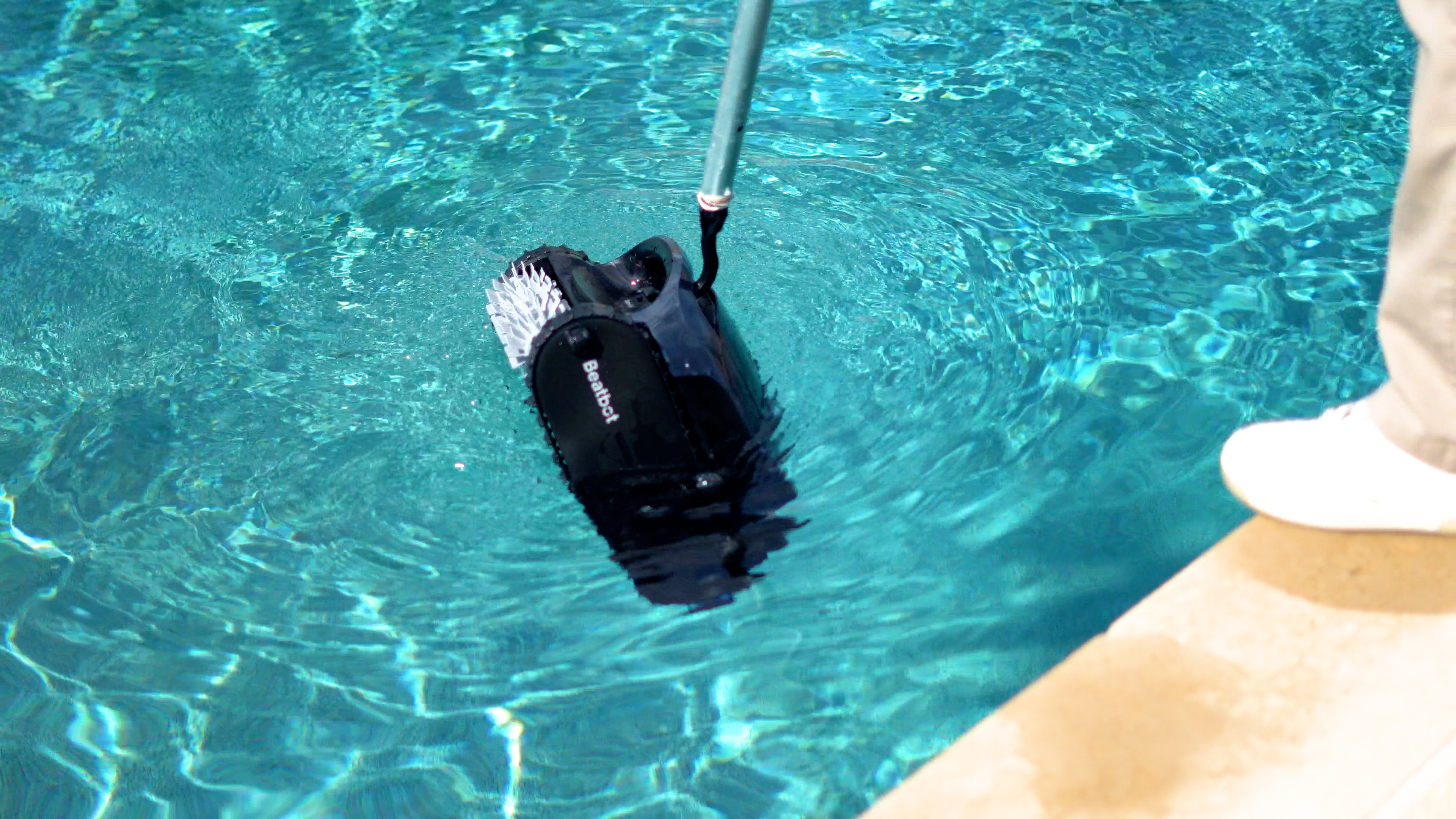
It's not exactly what I'd call "smart."
Filtration
They market it as an "ultrafine" filter, but what you get feels more like a thin layer of fabric. No pleats. No structure. Nothing like the NanoFilters I love on my Dolphin Premier or Sigma.
Debris? It misses the fine stuff. Leaves some of the medium stuff. And when you go to clean it out, it's just kind of... mushy. It doesn't filter like a premium cleaner should-especially not at this price point.
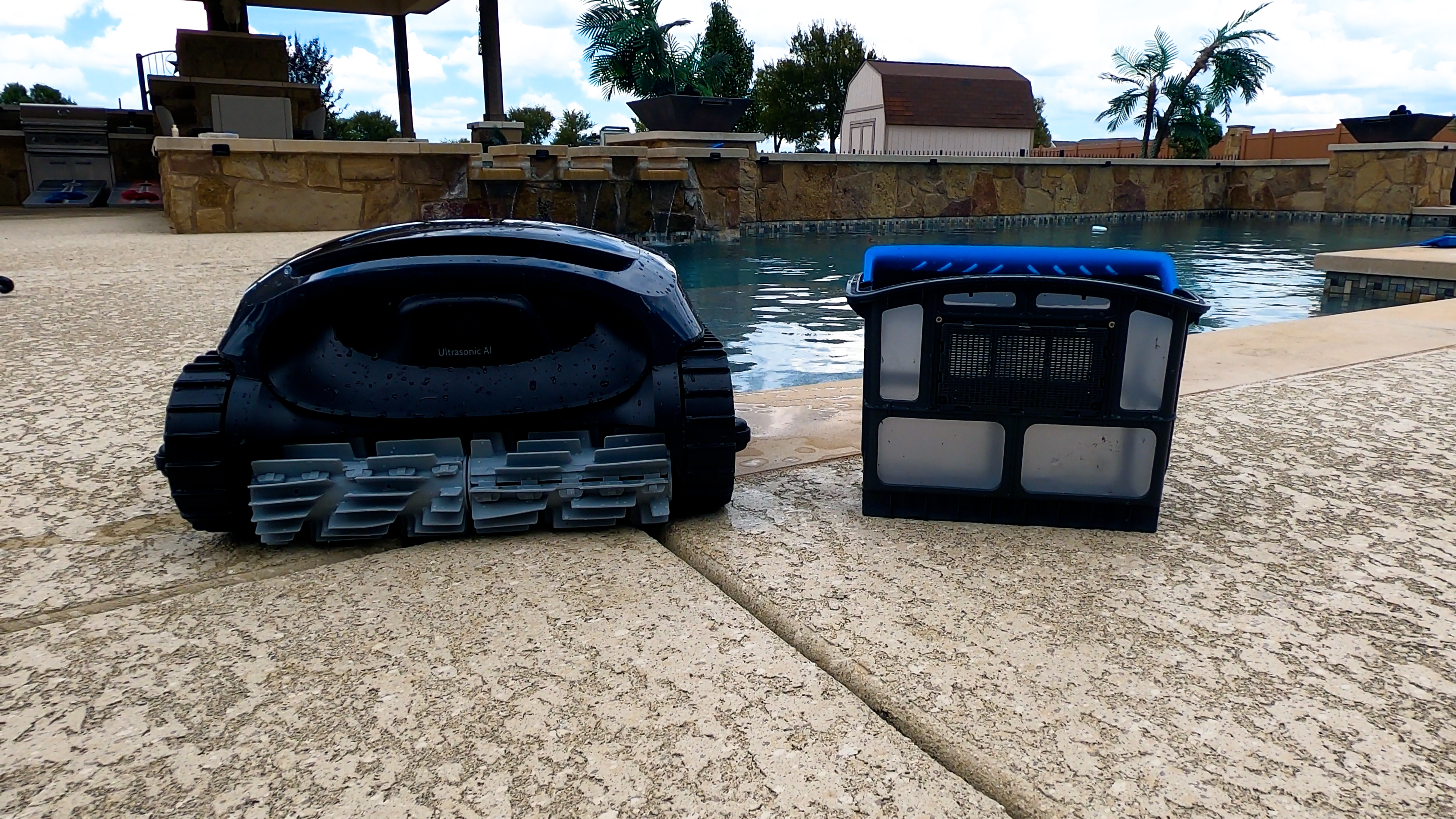
I would have really liked to see a better filter here. The filter is the heart of the robot, and without a solid filtration system, the Beatbot really lacks compared to its competition in this price range.
Battery Life & Daily Recharging
Let's talk battery life-because this is where the whole cordless promise really starts to fall apart.
On the spec sheet, it says up to 180 minutes of runtime. Sounds decent, right? But in my testing, it seemed to not quite hit that number. Maybe it was the mode I was using, but it wasn't impressive. I consistently got around two hours, give or take.
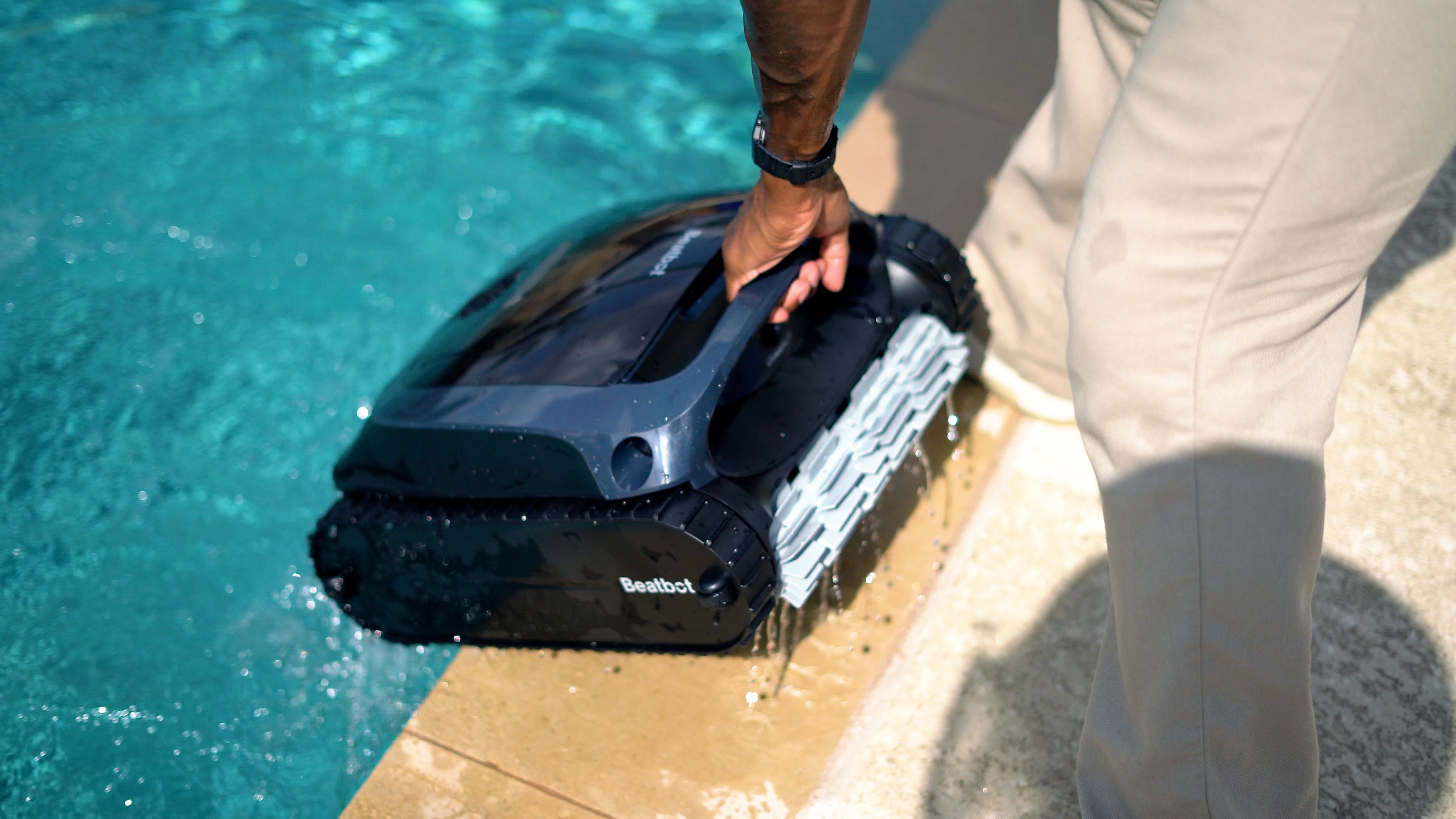
And once it's done, you're not just hitting "start" again. Nope-you're waiting several hours while it recharges. So if your pool isn't spotless after the first cycle, which it often isn't, guess what? You're either leaving debris behind or babysitting the robot until it's ready to go again.
And that brings us to the real issue: interaction. With this cleaner, you're involved twice a day. Once to put it in, and once to take it out and recharge. That doesn't sound like much... until you stack it up. Two interactions a day, seven days a week-that's 14 manual interactions a week.
Compare that to a corded robot with a Weekly Smart Timer, where you press a button, walk away, and maybe empty the filter tray once a week. That's one interaction. Fourteen versus one.
Now let's put that in perspective. Say each interaction takes you just five minutes-walking outside, placing it in, fishing it out, dealing with the app, cleaning the filter, plugging in the charger. That's 70 minutes a week you're spending managing a "smart" robot. Versus five minutes for a corded one. Over a full month? That's nearly 5 extra hours of your time-gone. So while the marketing talks about saving time, the reality feels like a part-time job.
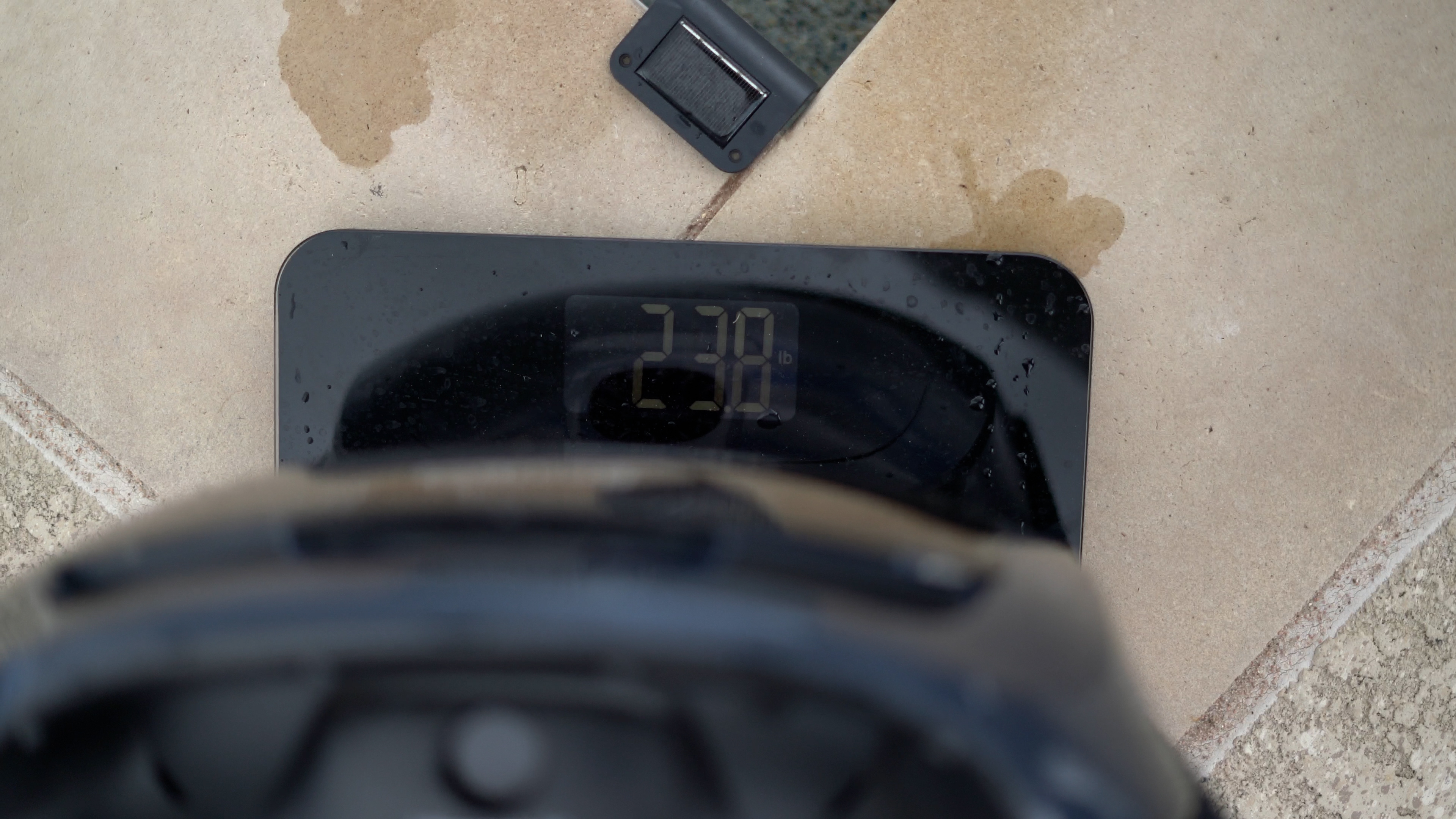
And keep in mind: this isn't like a Roomba that automatically docks itself. You have to fish out a waterlogged, heavy 25 pound robot with a hook every day once it cleans, drag it to the nearest outlet, dry it off, and place it on a wireless charging stand.
The whole point of buying a pool robot is to not think about your pool. You want it to just work. This one constantly wants your attention. And when you forget? You walk outside and find it dead at the bottom, with yesterday's leaves still sitting there.
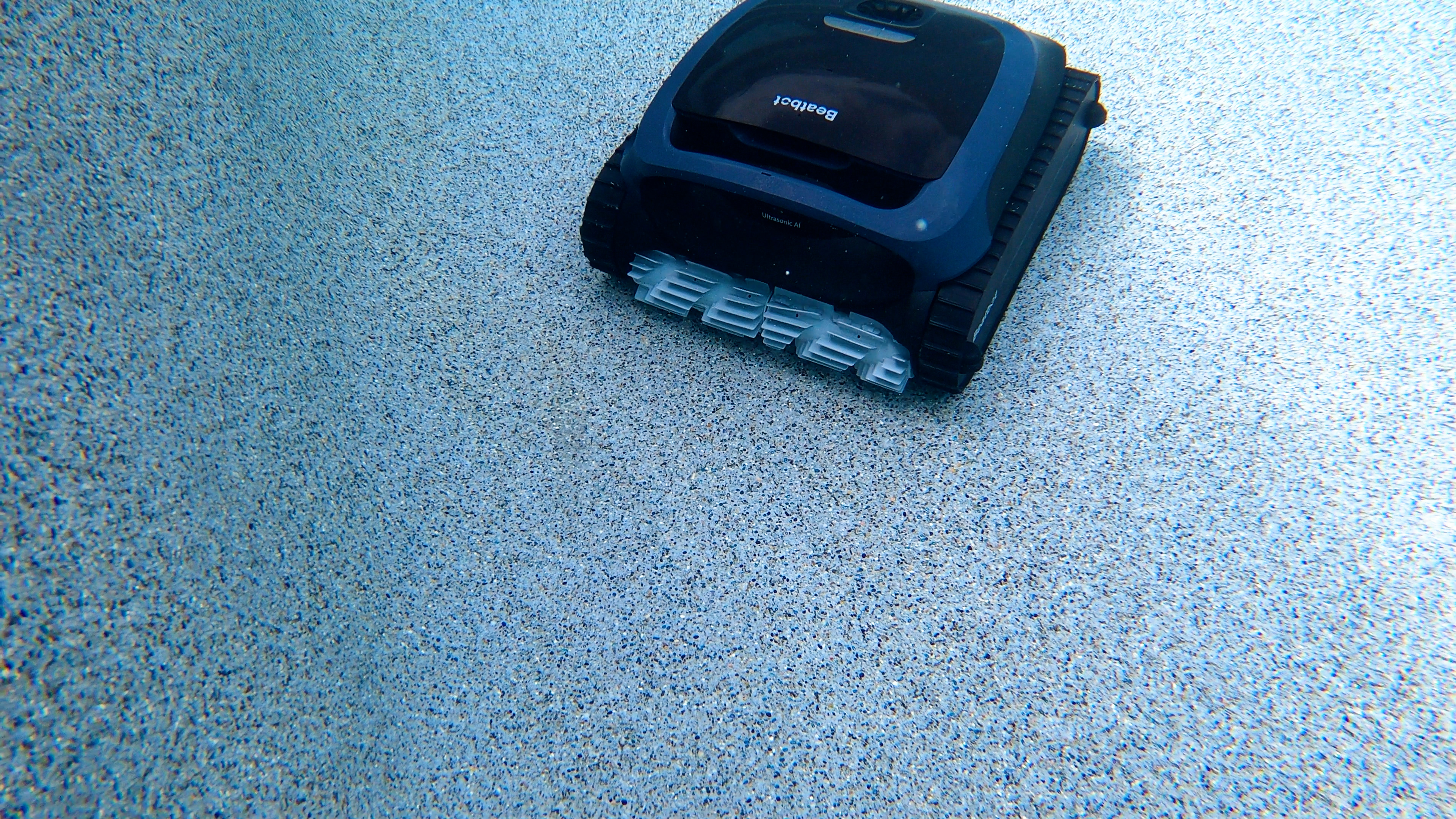
So if you're looking for real automation-something that saves you time and effort-this isn't it. Corded cleaners may not have the sleek marketing, but they just work. No batteries to worry about. No daily rituals. You plug it in, hit start, and it finishes the job-while you do literally anything else.
Suction Power
Let's get into suction-because if there's one thing a pool robot has to do well, it's vacuum.
Now, if you've only used cordless robots, the AquaSense 2 might feel decent at first. It makes noise, it moves around, it looks like it's working. But once you actually test it against a solid corded cleaner, the gap is pretty obvious.
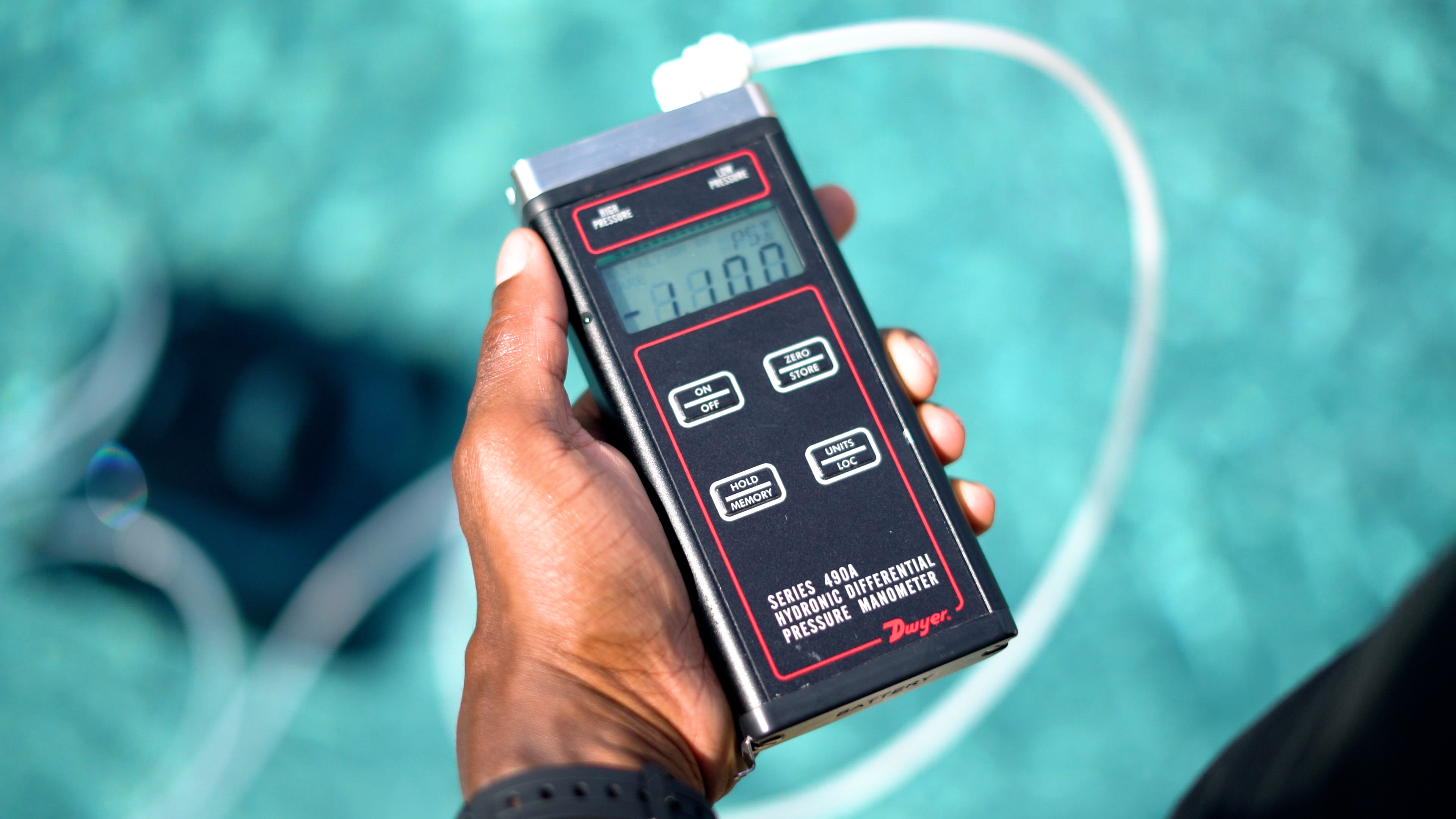
I broke out the manometer-a tool that measures suction pressure-and the AquaSense 2 clocked in at 1.6 PSI. Not terrible. But my Dolphin Premier, which is a corded model, pulled 2.2 PSI under the exact same conditions. That's a 37.5% increase in suction power. Same pool. Same debris. Same testing setup.
So why does that matter?
Because suction power is what lifts dirt, sand, and debris off the floor and traps it in the filter. Less suction means more passes to clean the same spot, and worse performance on heavier debris like leaves or acorns. I noticed this firsthand. The AquaSense 2 had to roll over the same area multiple times just to get a decent clean, while the Premier nailed it in one pass.
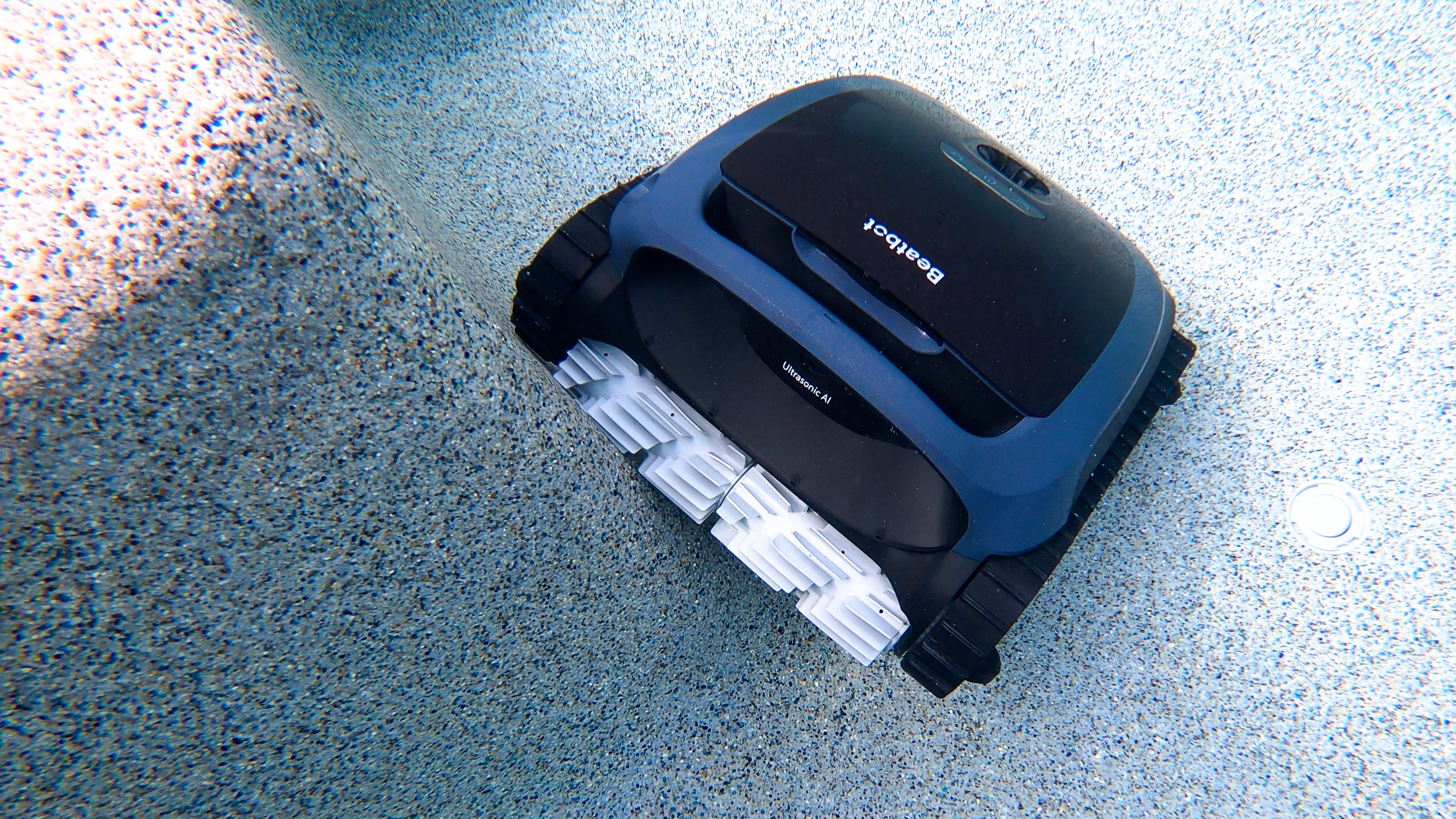
And here's the kicker: suction fades on cordless robots. As the battery drains, the motor power drops. So even that 1.6 PSI isn't constant. It starts strong, then slowly loses steam. It's like trying to vacuum your carpet with a dying Dustbuster.
Corded robots don't have that problem. They run off a constant power supply, so suction stays consistent from the moment you hit start until the job is done. No fading. No slowdown. Just steady, reliable cleaning power.
So yeah, the AquaSense 2 technically vacuums-but compared to the Premier? It's not in the same league. And when you're dropping four figures on a pool robot, "good enough" suction shouldn't even be a conversation.
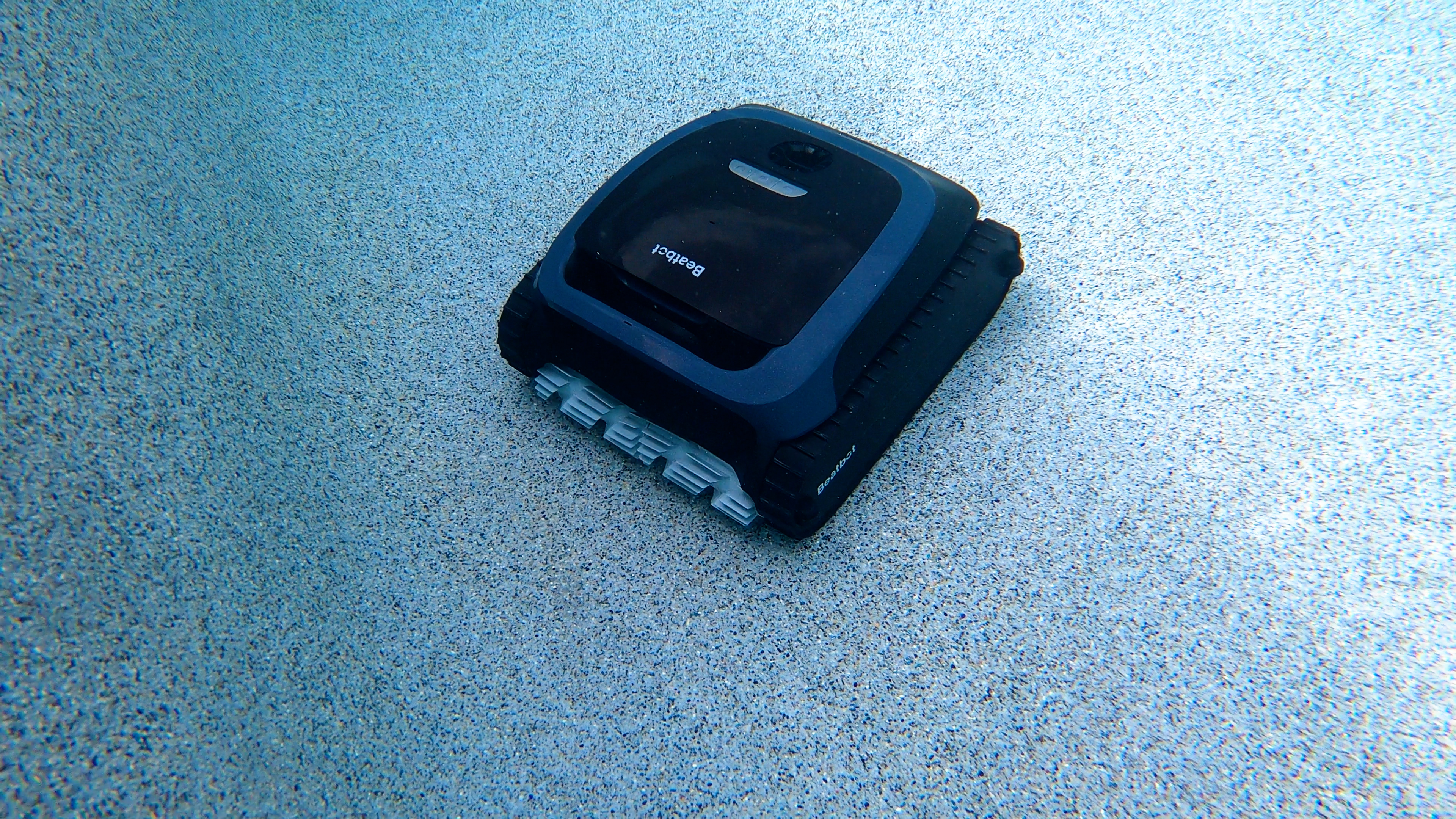
This is one of those things where numbers matter. And 2.2 vs 1.6 isn't a small difference-it's nearly 40% more power. That's the difference between a single clean cycle and having to manually spot clean what your robot missed.
Build Quality & Marketing vs. Reality
Here's the part that stings: Beatbot feels premium. The packaging is slick. The branding is clean. Everything screams "this is the future." But once you live with it for a week, the cracks show.
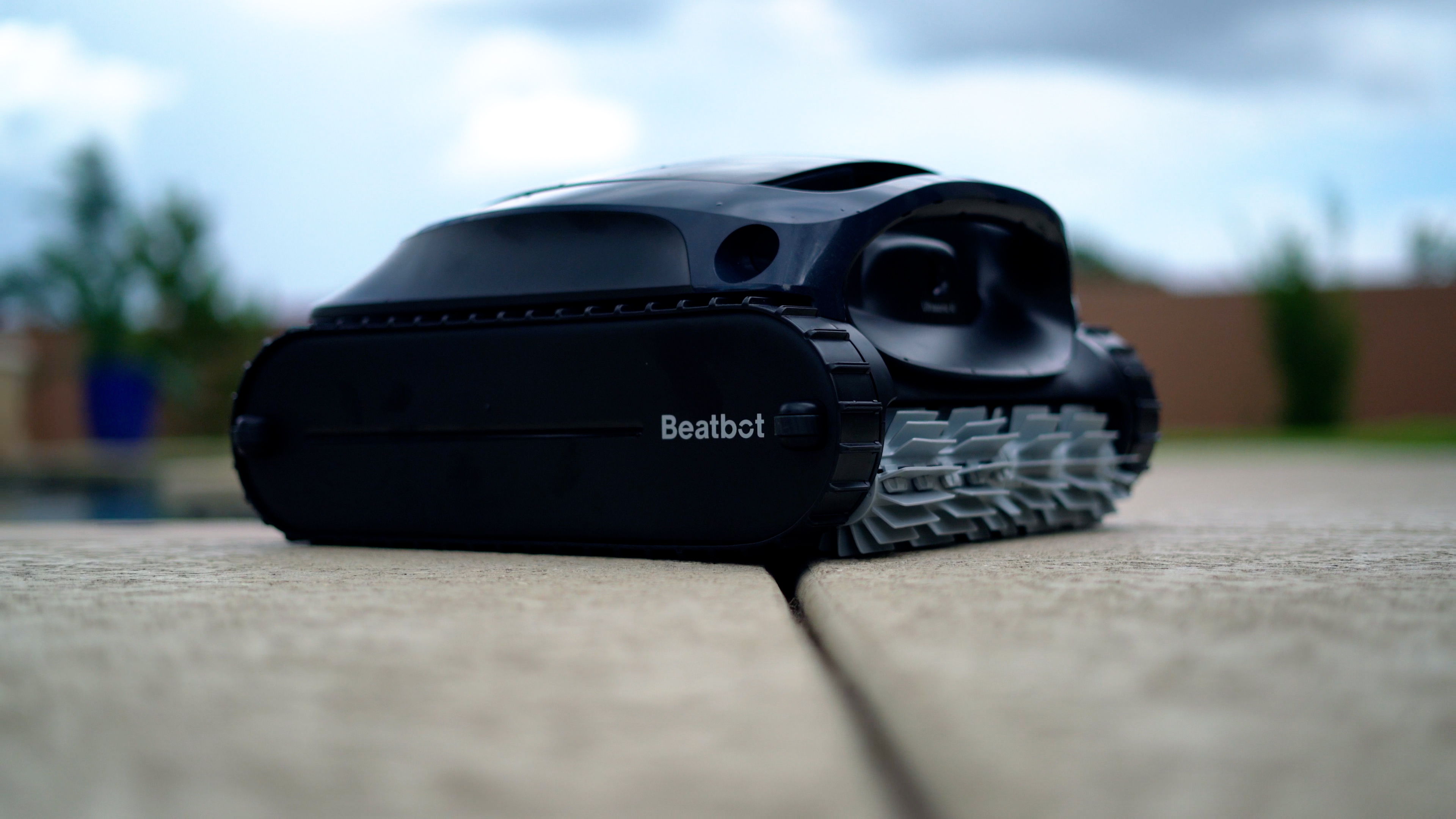
The app's barely usable. The filter is mediocre. You're charging it constantly. And the cleaning? Not on par with what I expect from a thousand-dollar robot.
It feels like they spent more on marketing than actual R&D. Which is a shame-because the design and ambition are there. But the execution just doesn't back it up.
Nope.
For me, a pool robot should make life easier. It should be automatic, reliable, and clean better than I could by hand. The Beatbot AquaSense 2? It looks cool, sure. But it demands too much attention, underdelivers on cleaning, and costs more than some robots that outperform it across the board.
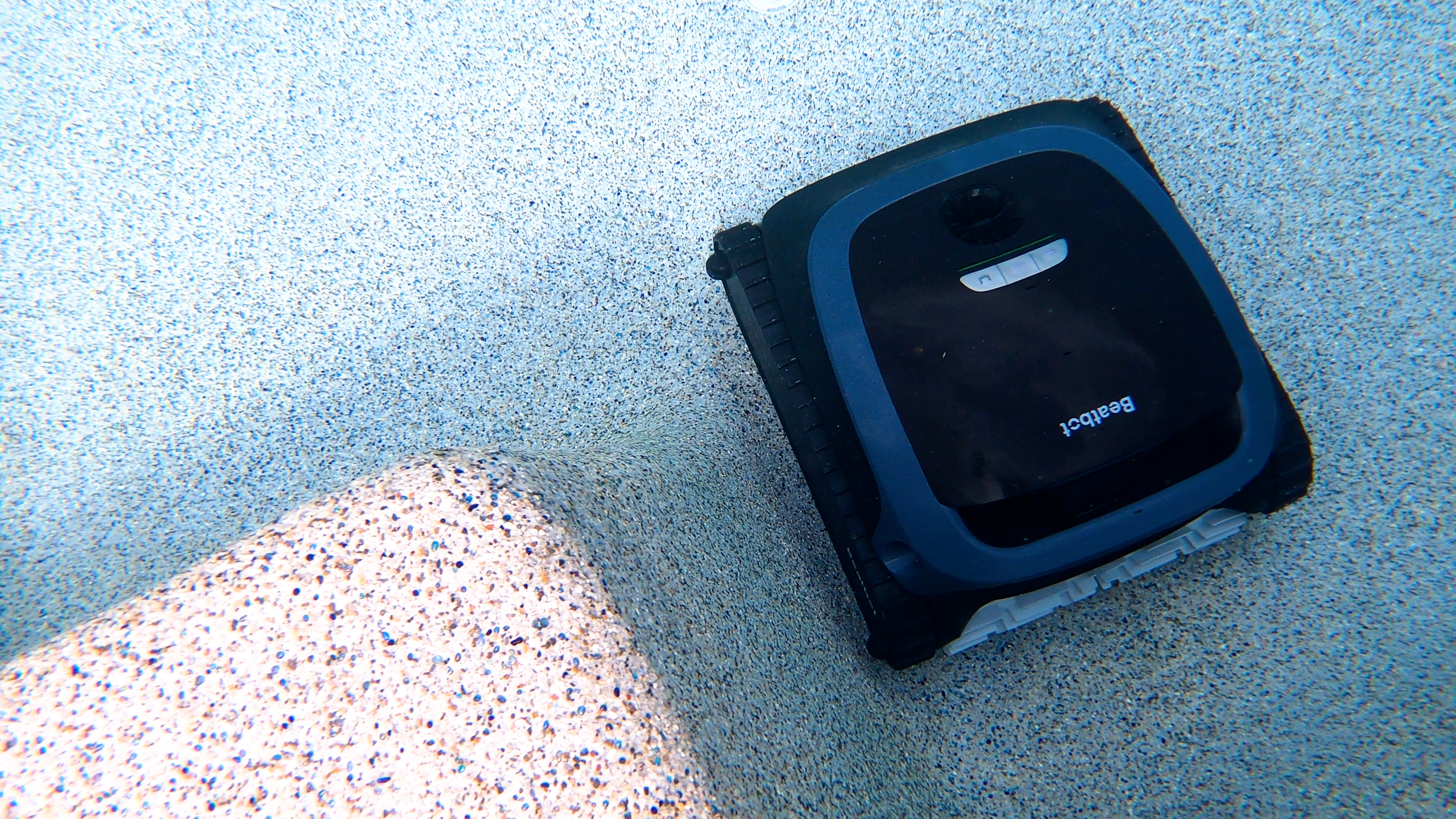
If you're dead-set on cordless, I get it. But know what you're getting into. For me? I'll stick with the corded robots that actually do the job.
What Should I Buy Instead?
So if the AquaSense 2 isn't worth it-what is?
If you're after a robot that just works, every time, without the babysitting, recharging, or suction compromises, you want to go corded. Full stop. That's where the real value is, especially long-term.
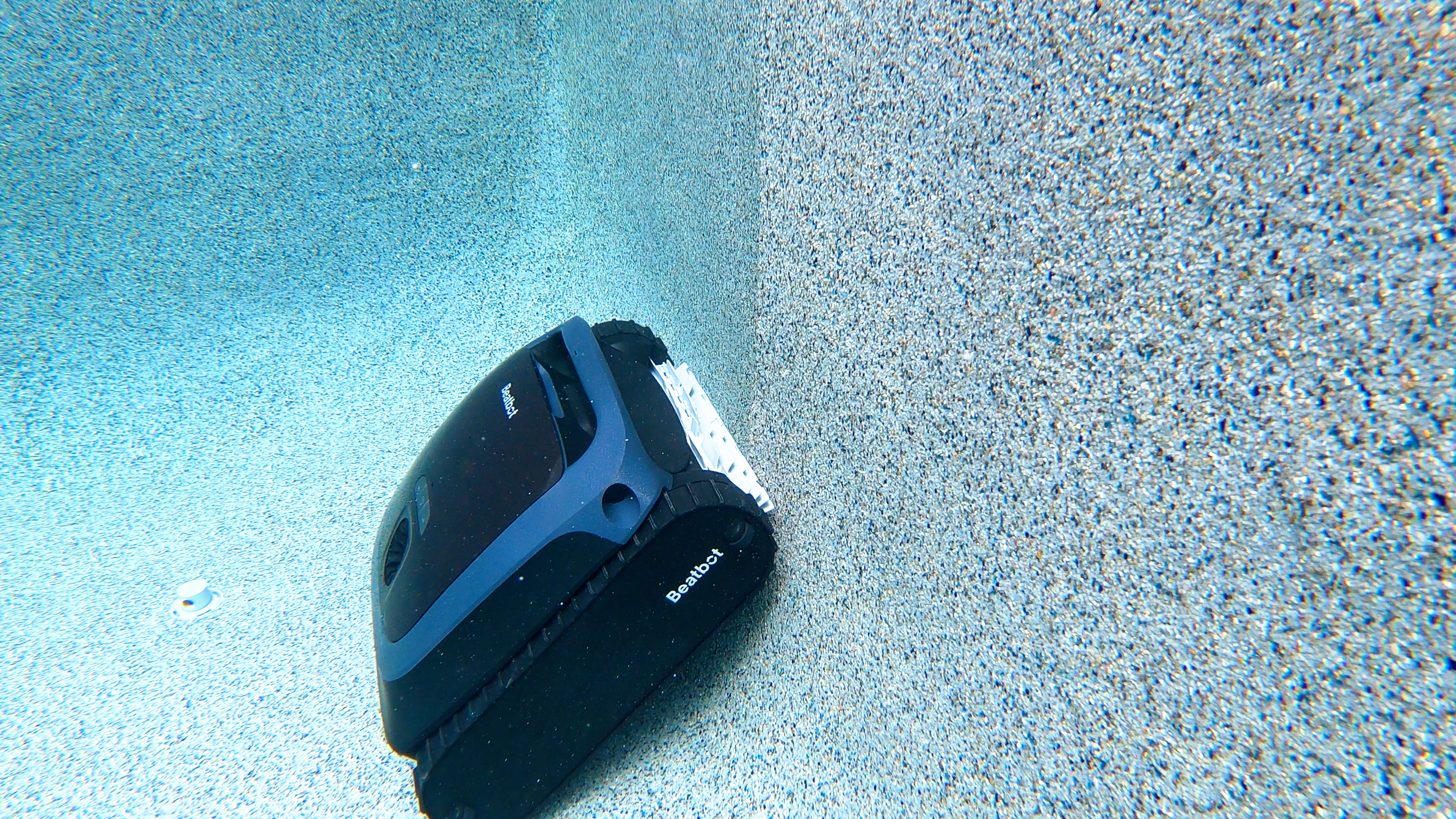
My top pick? The Dolphin Premier. It's my daily driver for a reason. It's got strong, consistent suction, media you can swap out depending on the season (NanoFilters, oversized leaf bag, you name it), and it just quietly gets the job done. No drama.
If you want something a little more modern and app-connected, the Dolphin Sigma is a solid choice. It's got triple motors, gyroscopic navigation, and Wi-Fi that actually works-because the control box stays dry and connects directly to your router. That way, you can control the Dolphin Sigma from anywhere - not just while it is in your pool.
And if you want premium performance with a slightly lower price tag, the Dolphin Quantum is kind of the sweet spot. It has that oversized XXL MaxBin, solid suction, and NanoFilters built in-without going overboard on stuff you don't need.
Bottom line: All three of these have better suction, better filtration, and you don't have to think about them. You just drop them in, hit start, and come back to a clean pool. That's what a robot is supposed to do.
Skip the daily recharging. Don't pay a premium for less power and more hassle. Get something that actually earns its price tag.
That's all for this one - thanks for watching and I'll catch you on the next one!