

So, have you ever seen a pool robot that actually talks to you? Yeah, that's a thing now. The Beatbot AquaSense 2 Ultra claims to be that next-level pool cleaning tech that communicates with you. You'd think this would be the best pool robot ever, especially for the mind-blowing $3,500 price, right? Well... it's not.
Hey guys, it's Ryan with ActuallyUsed. Today, I'm putting the Beatbot AquaSense 2 Ultra to the test. I borrowed my neighbor's pool to test this robotic pool cleaner. After two weeks of testing, I gotta say, I wouldn't recommend spending your money on this one.
At a staggering $3,500 price tag, this robot is the price of a down payment on a new car. Between the low suction power, constant recharging, and other issues, I'm breaking down why you might want to think twice before buying the Beatbot AquaSense 2 Ultra. Plus, we'll end with three robots that outperformed it at a fraction of the cost.
What is the Beatbot AquaSense 2 Ultra?
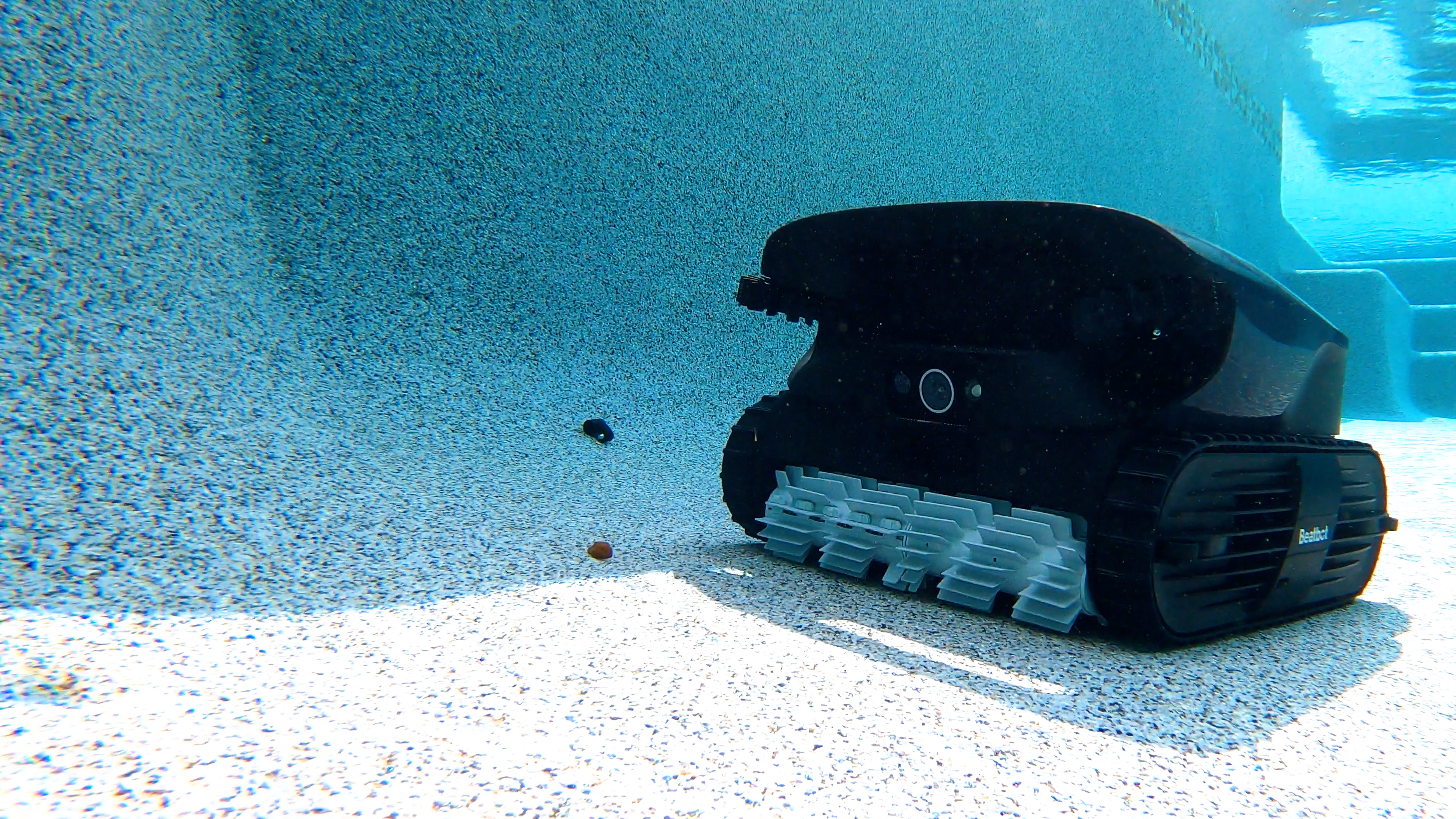
So, first, let me explain what the Beatbot AquaSense 2 Ultra actually is. The AquaSense 2 Ultra is a cordless robotic pool cleaner from Beatbot. Designed specifically for inground swimming pools, it's their flagship model.
For $3,500, I expected a lot—and honestly, at that price, it should do everything. To be fair, it does clean the pool floor and walls, and even skims the top of the water. Sounds like an all-in-one solution, right? On paper, sure.
But here's the catch: that insane price tag is just the beginning. The filter basket? Way too small for something this expensive, so you'll be emptying it a lot. And the battery life? Let's just say it will spend more time out of the water than it will charging.
My biggest issue? For the price of this one cleaner, you could buy a top-rated pool robot and a solid skimmer—and still have thousands of dollars left over. The value just isn't close.
At over $3,500... Yeah, you're definitely going to think twice before hitting that buy button. I kept seeing these ads everywhere—on YouTube, social media, you name it—showing this robot. So naturally, I had to get my hands on one to see if it actually lived up to all that hype.
Here at Actually Used, we put the product to the test. That's what we do. We don't just sit behind a screen and rave about how good something is based on spec sheets and photos. No—we want you to know if this product is actually good or not. That's the whole point.
And after using this one for a solid two weeks? I wouldn't recommend it. Not even close.
The Beatbot might look impressive online, but when you actually drop it in your pool and let it do its thing? That's where the real story starts to unfold. And trust me, it's not the story Beatbot wants you to hear.
CLEANING PERFORMANCE - THE REAL TEST
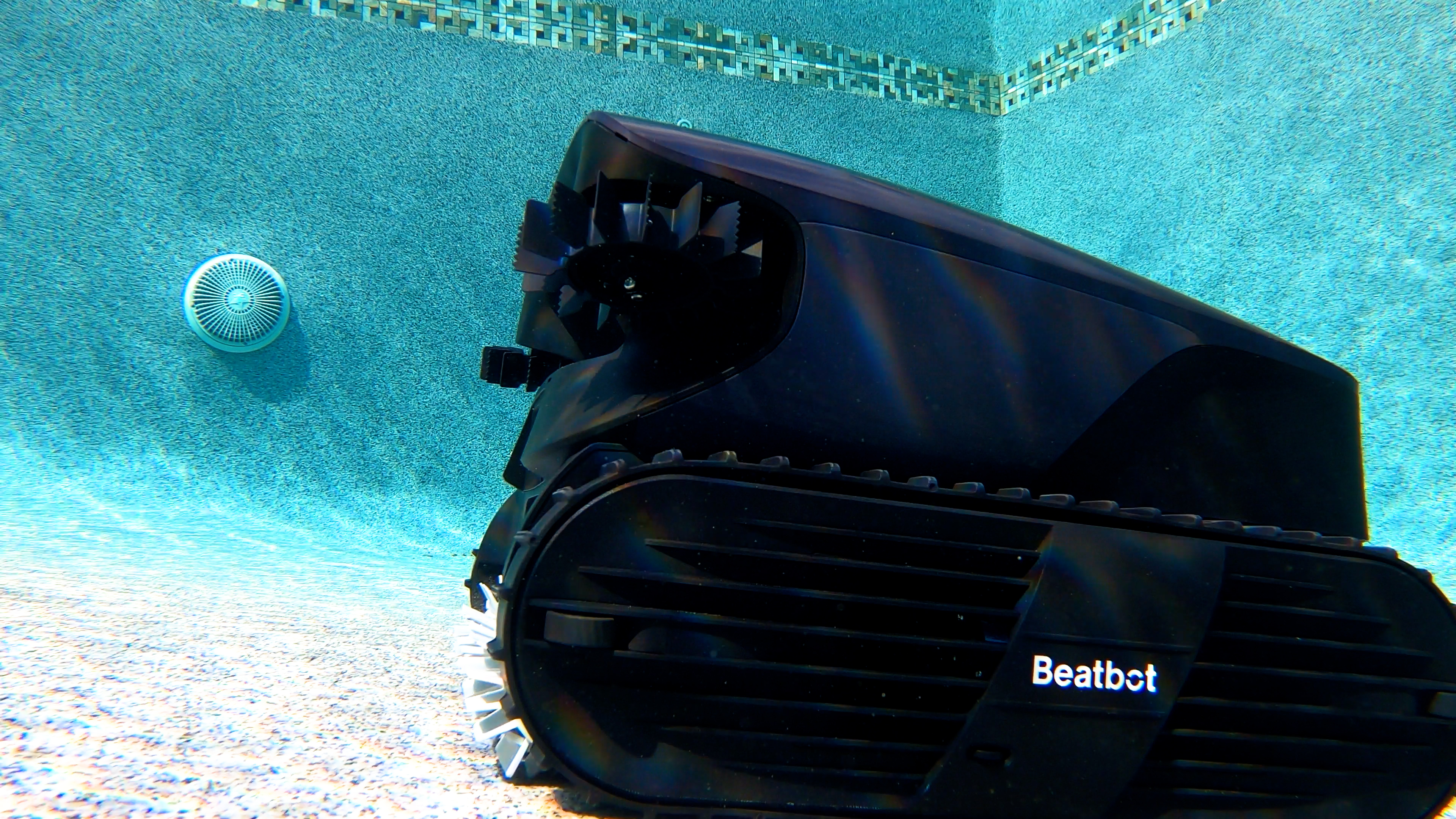
So let's talk about why this thing actually sucks—or more accurately, why it doesn't suck enough. When it comes to cleaning your pool—you know, its one job—the AquaSense 2 Ultra isn't all what it is cracked up to be. It has far less vacuuming power than the leading corded pool robot that only costs 1/3rd the price: The Dolphin Premier.
How can we be sure? I tested it myself and gathered the data.
SUCTION POWER
Beatbot claims it has a flow rate of 6500 gallons per hour, but I don't buy it. It just didn't feel that powerful in my testing. So we put it to the test to find out what's really going on.
We hooked it up to a manometer and the results? Pretty shocking.
What is a Manometer and Why Did We Use It?
A manometer is a precise instrument designed to measure pressure in water—in this case, suction power. Think of it as the ultimate lie detector for pool robots. We wanted real, measurable data rather than relying on manufacturer claims, which are often exaggerated or misleading.
To our knowledge, we're the first reviewers to actually put suction power to the test using a manometer. Why? Because suction is the single most important feature of any robotic pool cleaner. Without strong suction, your expensive robot is just a glorified pool toy.
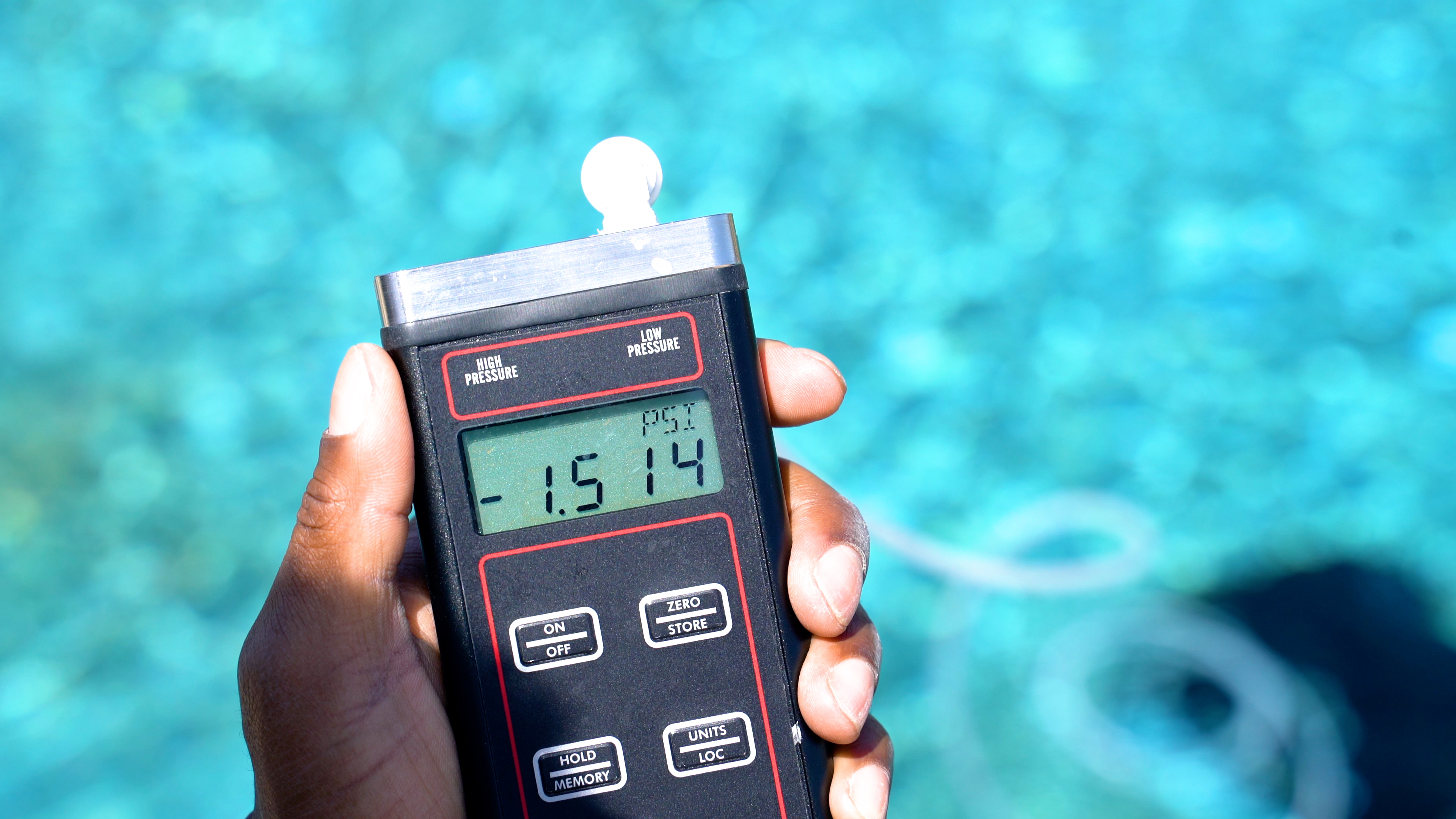
Beatbot advertises a flow rate of 6,500 gallons per hour, but from my initial impressions, that didn't feel remotely accurate. So, we took matters into our own hands, hooked up the Beatbot AquaSense 2 Ultra to our manometer, and got real-world data.
The results? Not great. On a fully charged battery, the Beatbot peaked at just 1.6 PSI. Meanwhile, the corded Dolphin Premier, a model that costs a third of the price, hit a solid 2.1 PSI. That's approximately 31% less suction power than significantly cheaper alternatives.
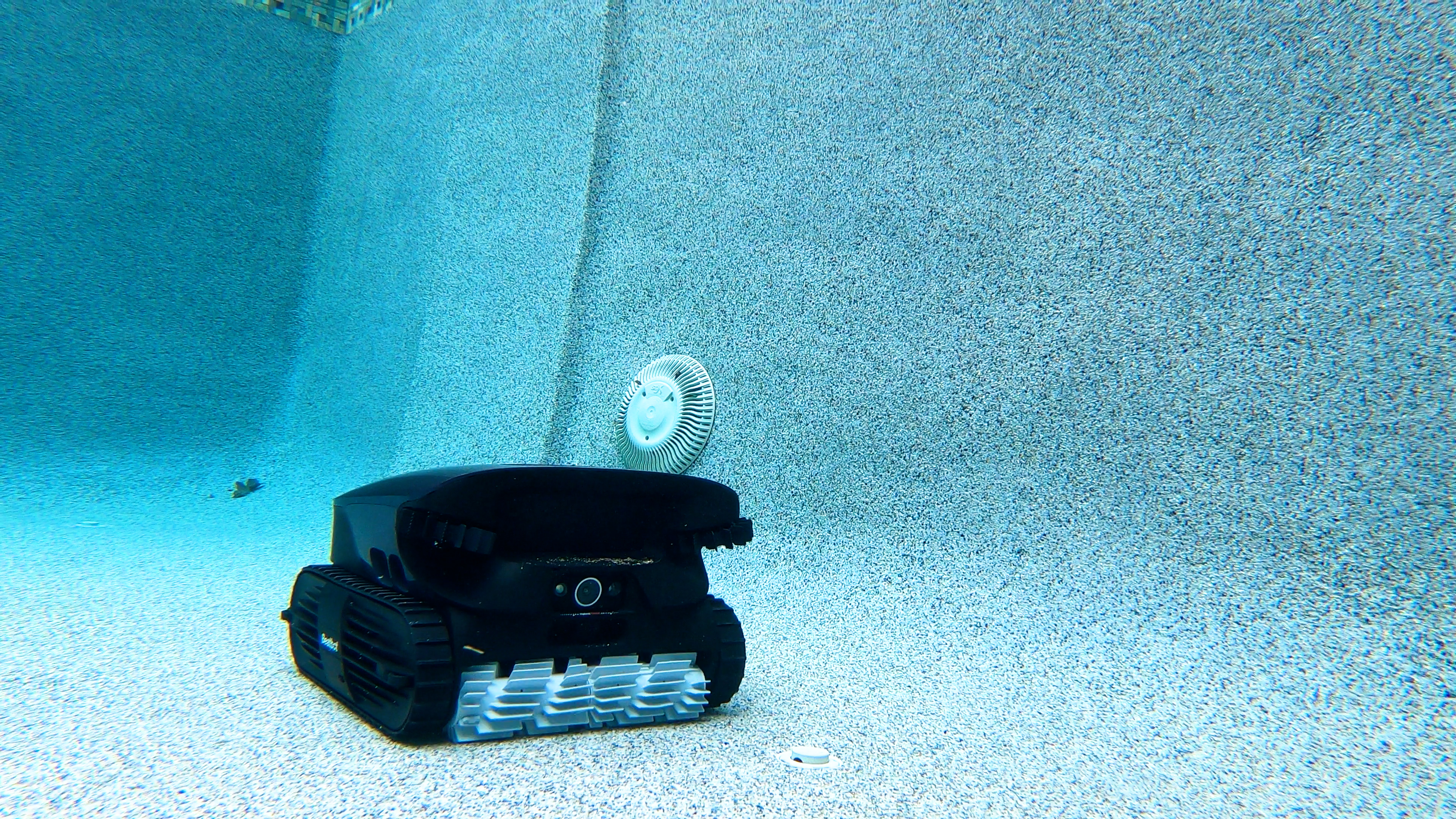
Sacrificing essential cleaning power is a trade-off you'll regret daily—especially when this $3,500 robot still leaves debris behind, forcing you to grab a pool net after it finishes. The manometer doesn't lie: the Beatbot simply doesn't have as much suction as top-tier corded models at a fraction of the price.
And that's a big deal. You're paying triple the price for weaker suction. Just so it can be cordless? Not worth it.
This is exactly what companies bank on—consumers not doing their research. Cordless convenience is nice, but the performance gap is impossible to ignore. For a pool cleaner, suction power is everything.
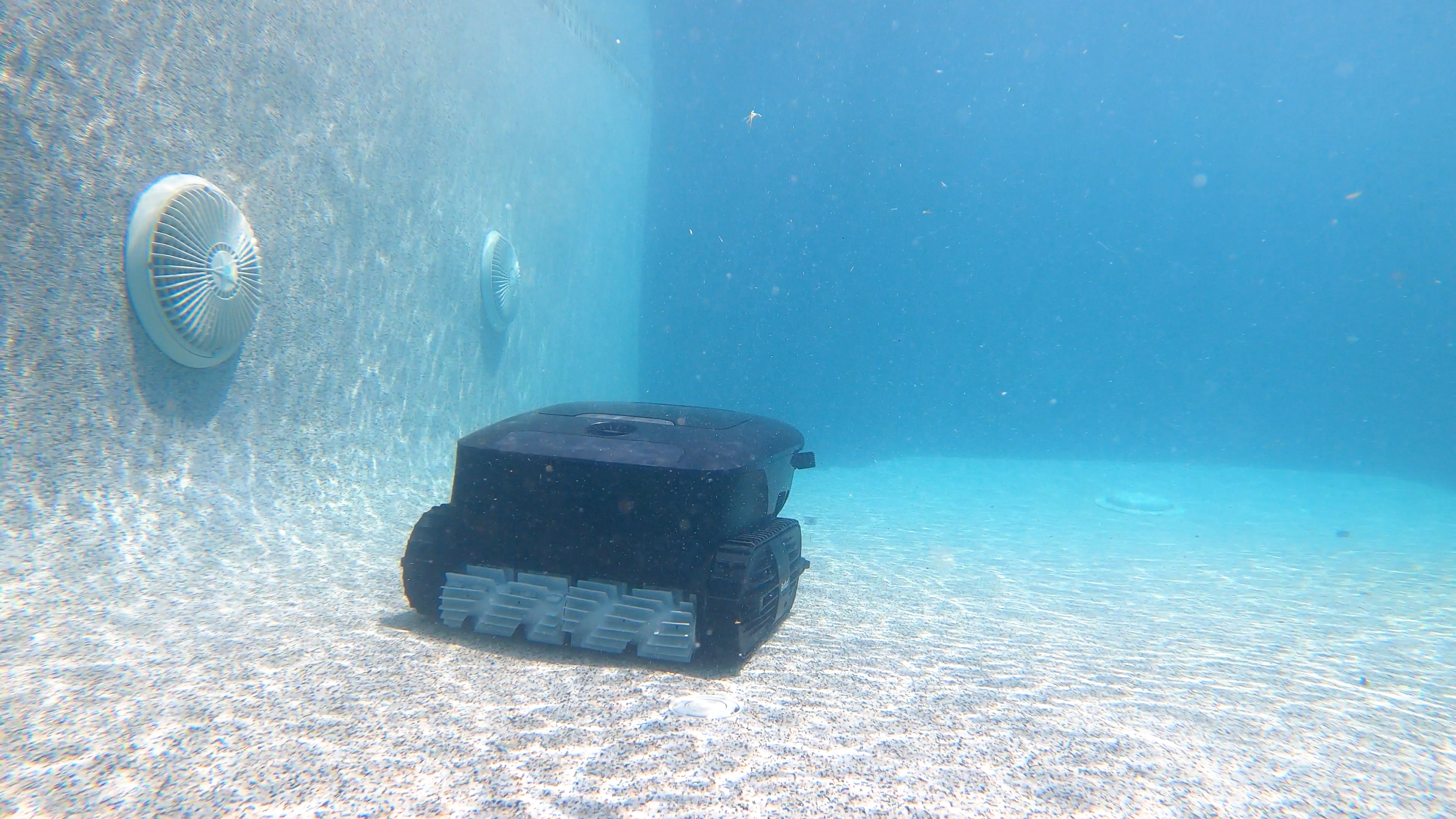
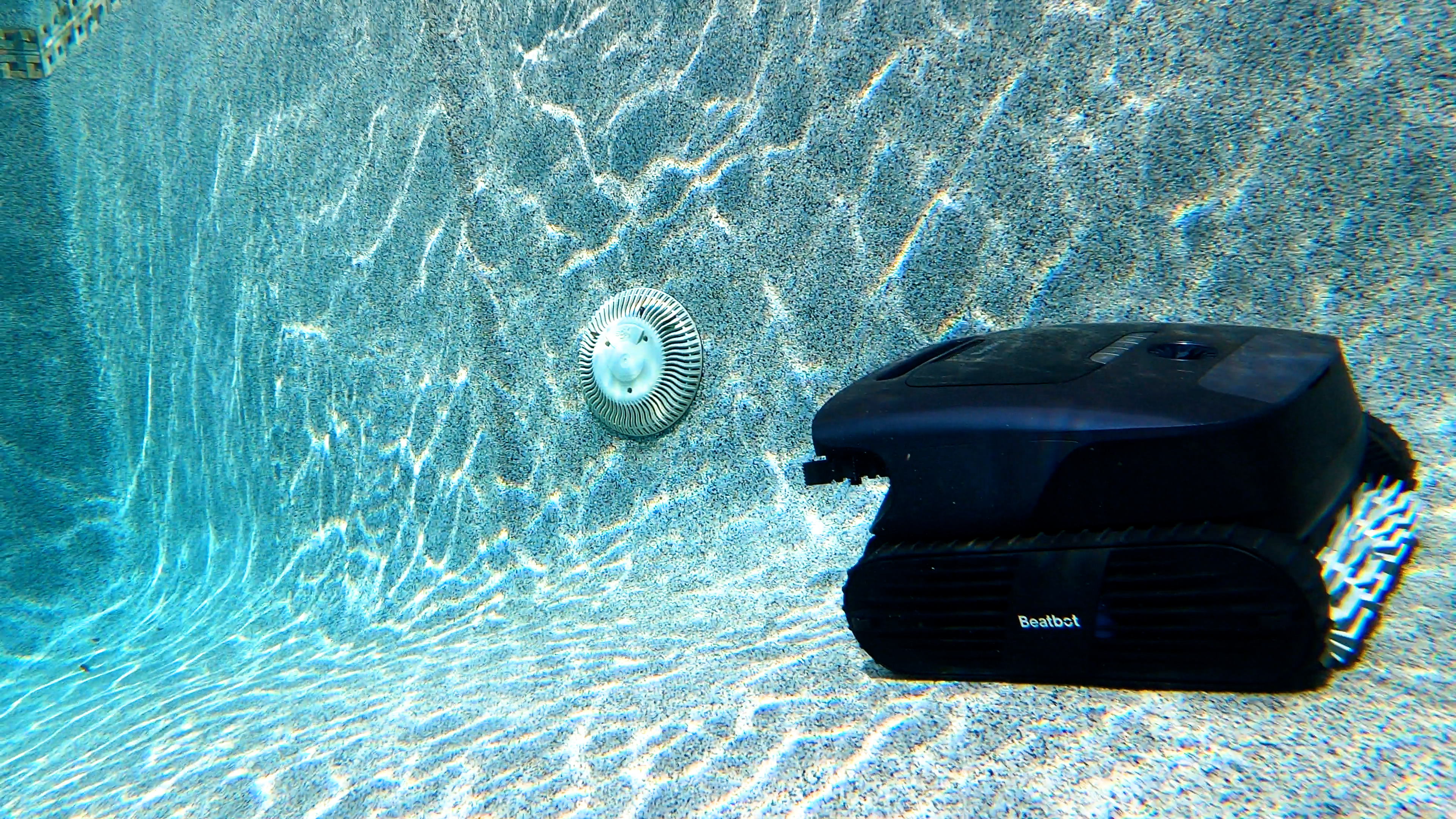
I watched this thing drive right past visible leaves on the pool floor. Multiple times. In open areas? It does okay—not impressive, but functional.
But curved steps and tight corners? Major fail. It consistently left leaves in the same spots, forcing me to break out the manual vacuum.
For $3,500, I shouldn't be doing any pool cleaning myself. That's literally the only reason I'd spend that much. But here I am, still skimming and vacuuming after the robot "finishes."
That's just not it.
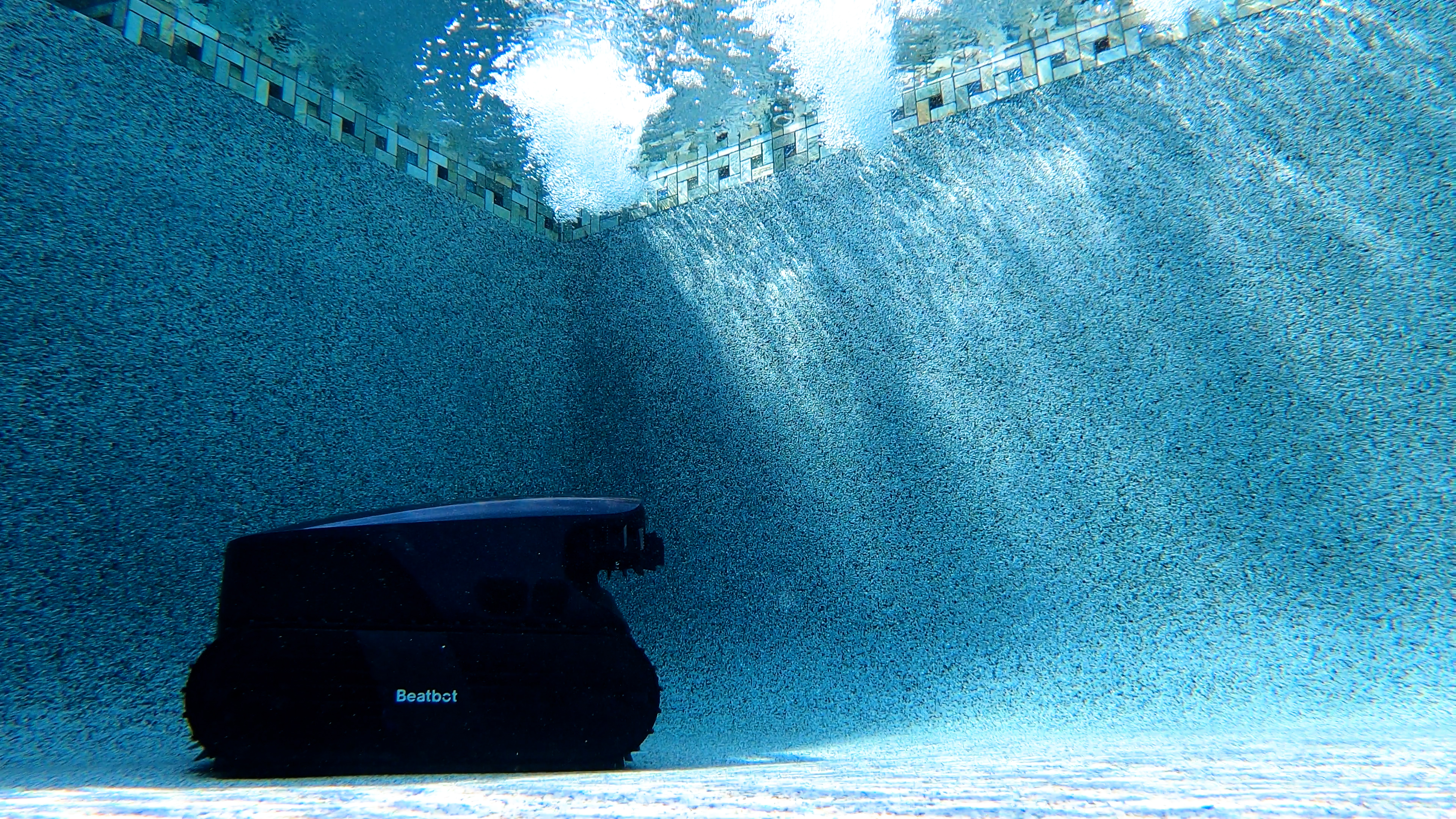
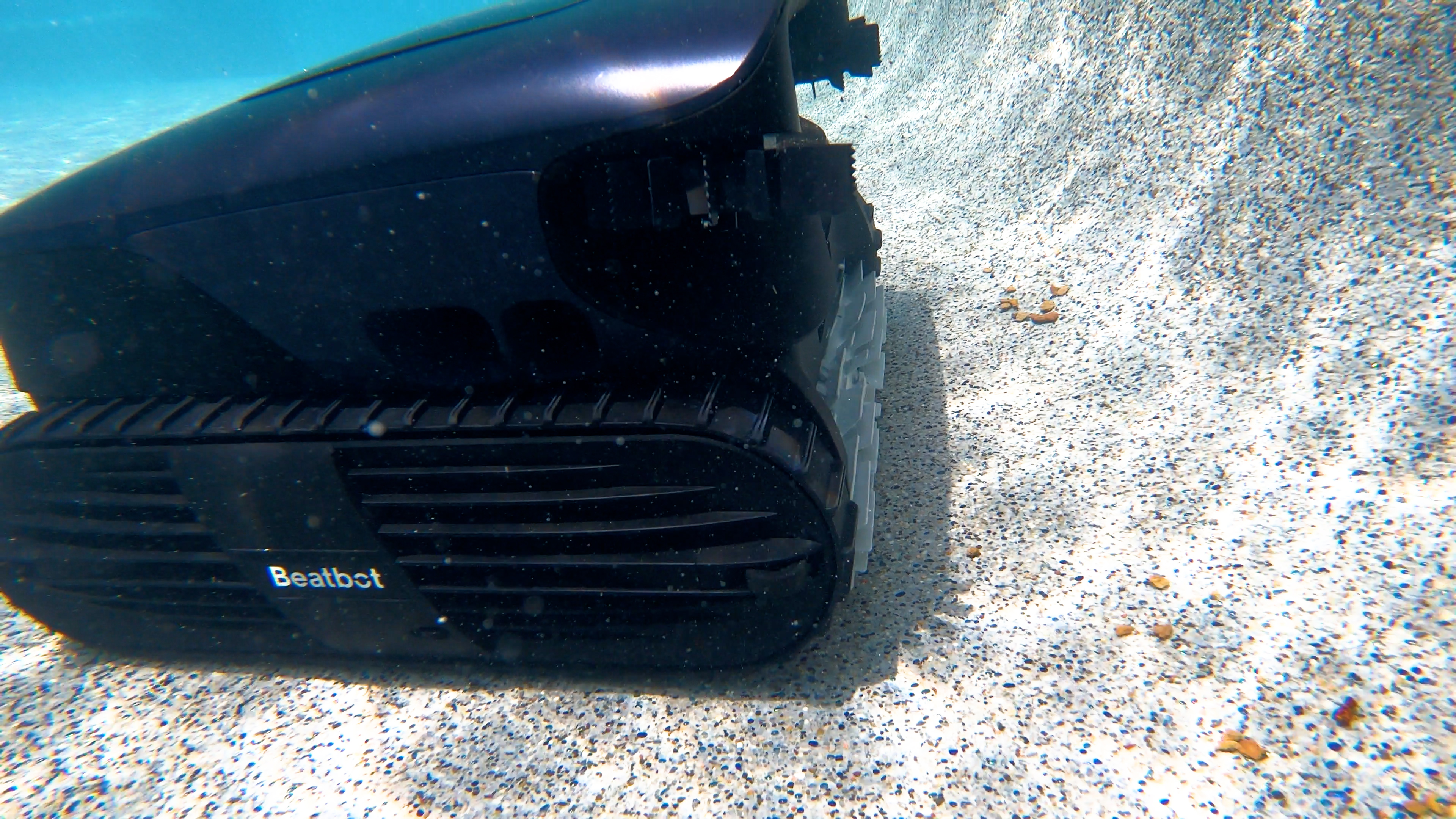
It's marketed as the robot of the future. And yeah, I'll give it this—it has a sleek design and even talks to you. From the black plastic shell, it's not a bad looking pool robot by any means. With that camera on the front, it definitely looks futuristic—something straight out of a sci-fi movie.
But beyond the initial shock of the robot actually telling you "the filter isn't in" (which, I admit, is pretty cool the first time you hear it), there isn't anything that really stands out. If anything, I was disappointed in the lack of tech for something that's supposed to be cutting edge.
Cordless Design
Let me expand on why the cordless design is one of my biggest frustrations with this pool robot.
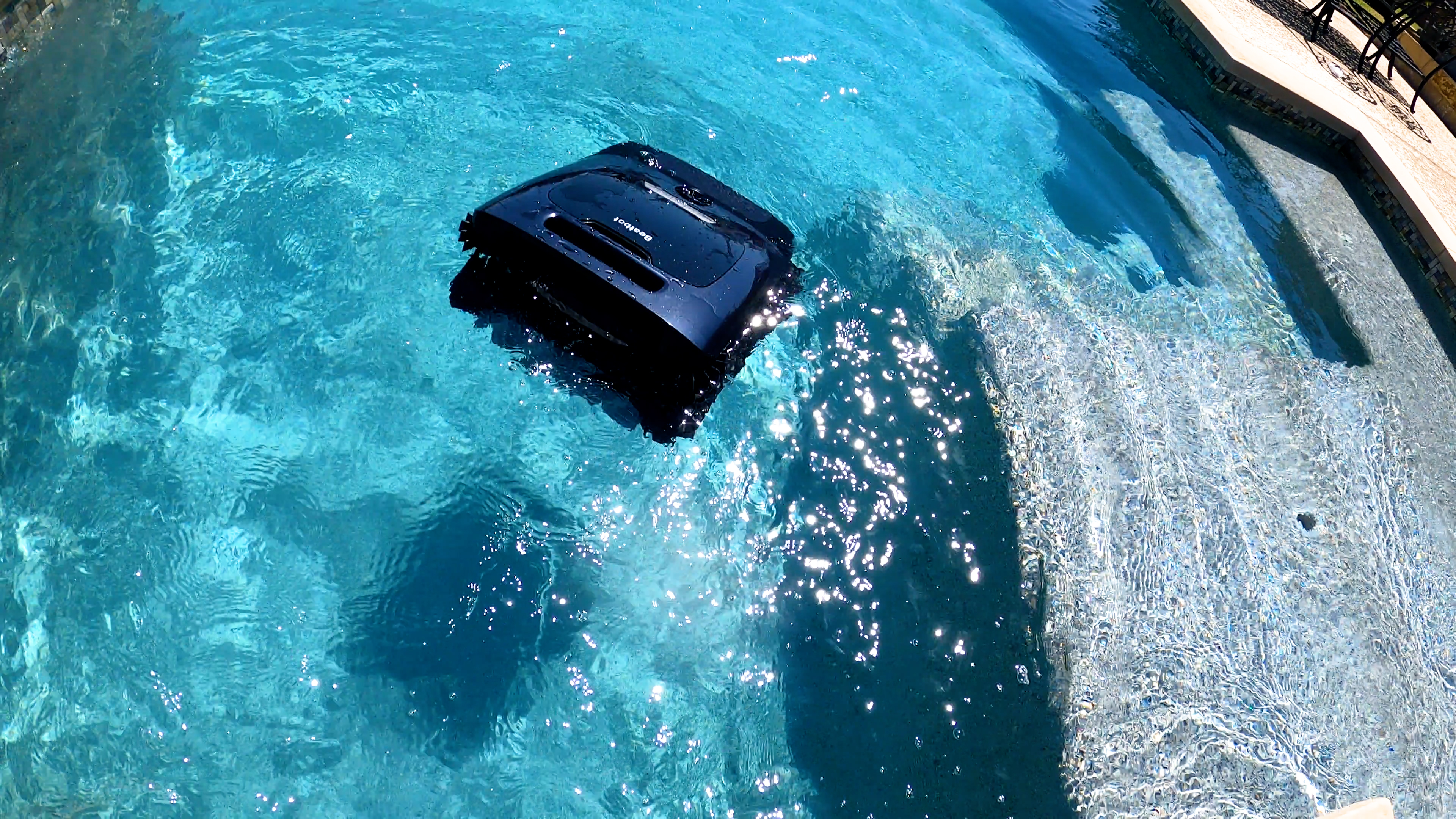
My conclusion on cordless pool robots is they're straight-up terrible. You need to charge it. Every. Single. Day. It's not like a cordless Roomba or floor vacuum that auto-docks itself to charge. It's easily one of the most annoying things about it.
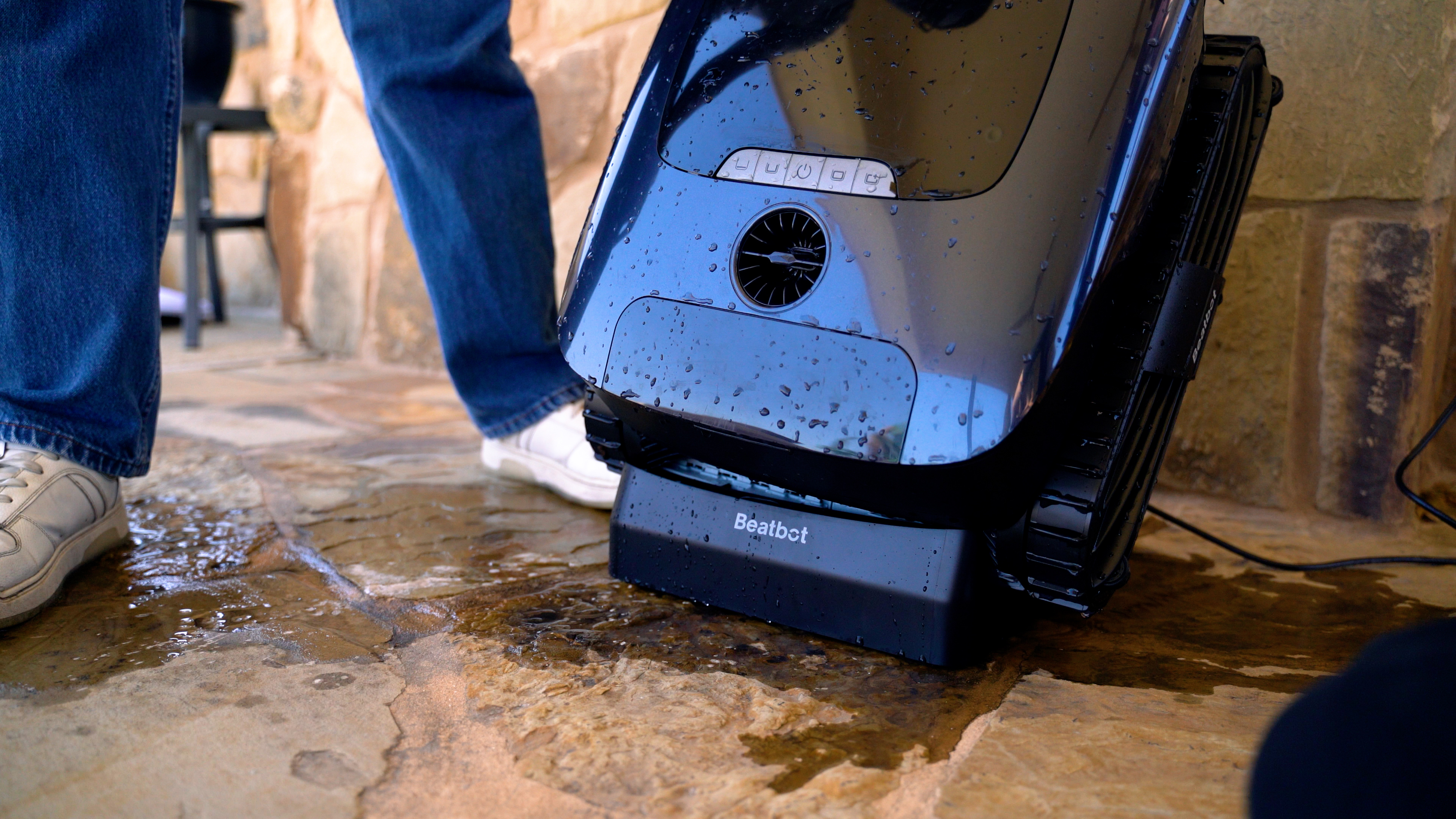
Having to physically haul the robot in and out of the pool every day is just dumb. You're looking at a wet, heavy device that you need to manually retrieve, dry off, plug in, and then put back the next day. Compare that to a Weekly Timer on a Corded Robotic Pool Cleaner where you can just set it and forget it, and it just doesn't compare when actually using it every single day.
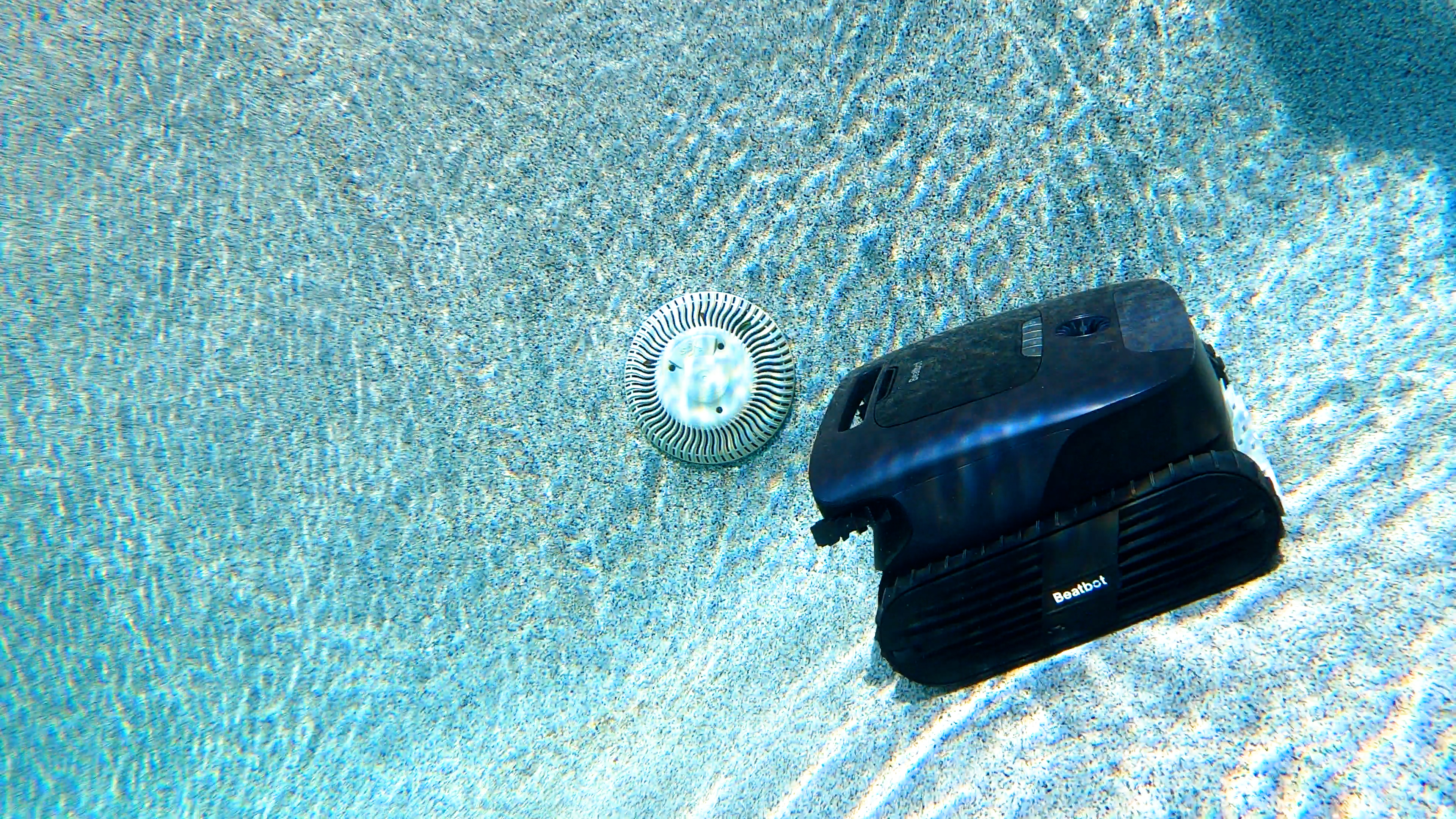
With a corded model, you can program it to run on specific days of the week. It stays in the pool, does its job, and you only need to empty the basket once a week or so. It's a much better user experience. I'll share some of my favorite corded models I've used at the end of the video.
The cordless design feels like one of those features that sounds cool in a marketing meeting—"Hey, no cords!"—but in real-world use, it is solving a problem that just doesn't exist. There's no auto-docking system underwater, so the "cordless convenience" actually becomes a daily inconvenience.
So Why Are Cordless Pool Robots So Popular?
Simple: they're cheaper to make.
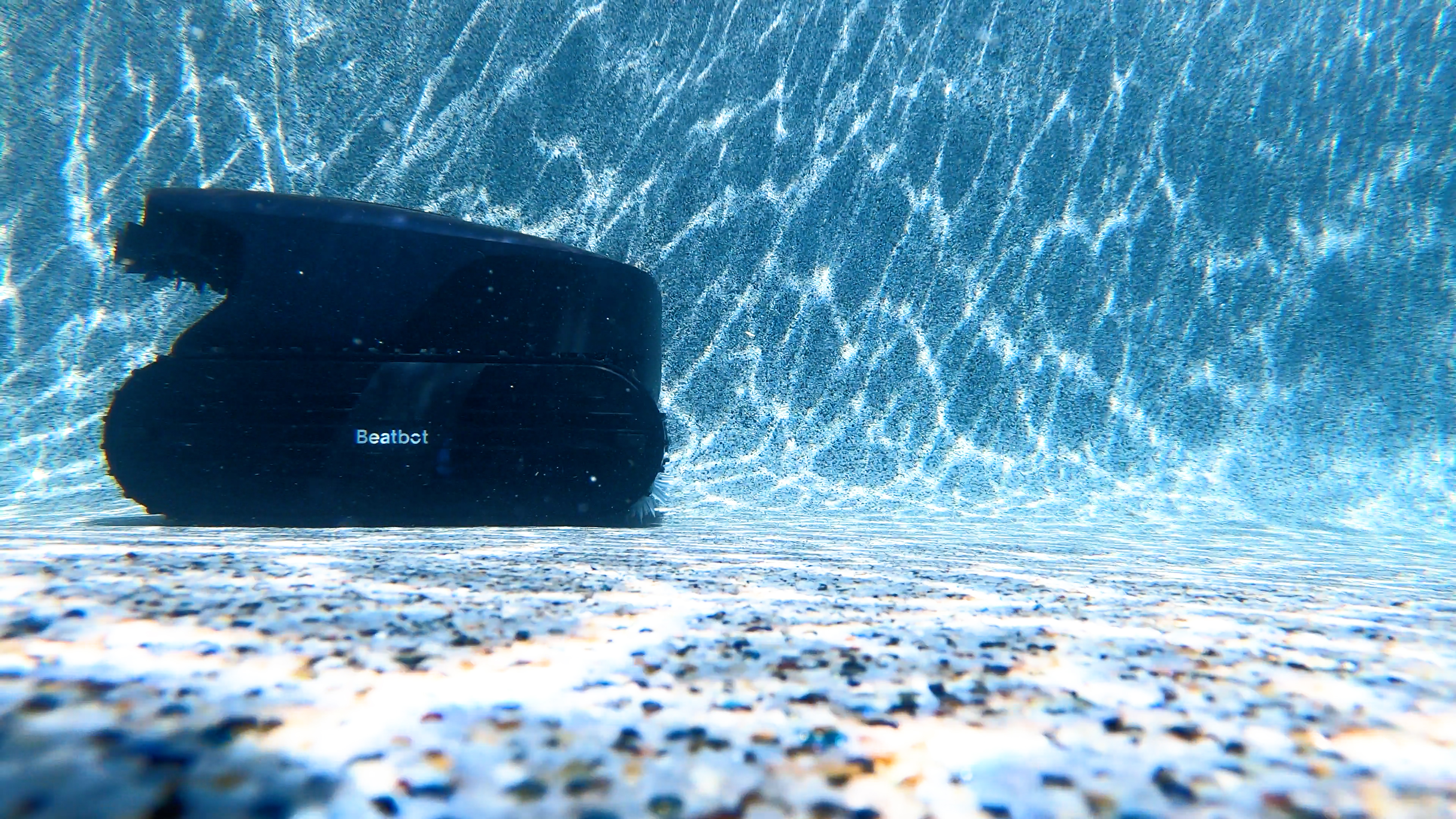
Small Lithium-ion batteries are dirt cheap to manufacture in China—and the Chinese brands flooding the market love them. They push cordless robots as the "future" of pool cleaning, but in reality, it's just a way to cut costs and boost profits.
The result? You get a worse product.
Instead of a powerful, plug-and-play cleaner that runs on consistent, high-suction motors, you get a battery-powered machine that constantly needs recharging, weakens over time, and never matches the performance of a corded robot.
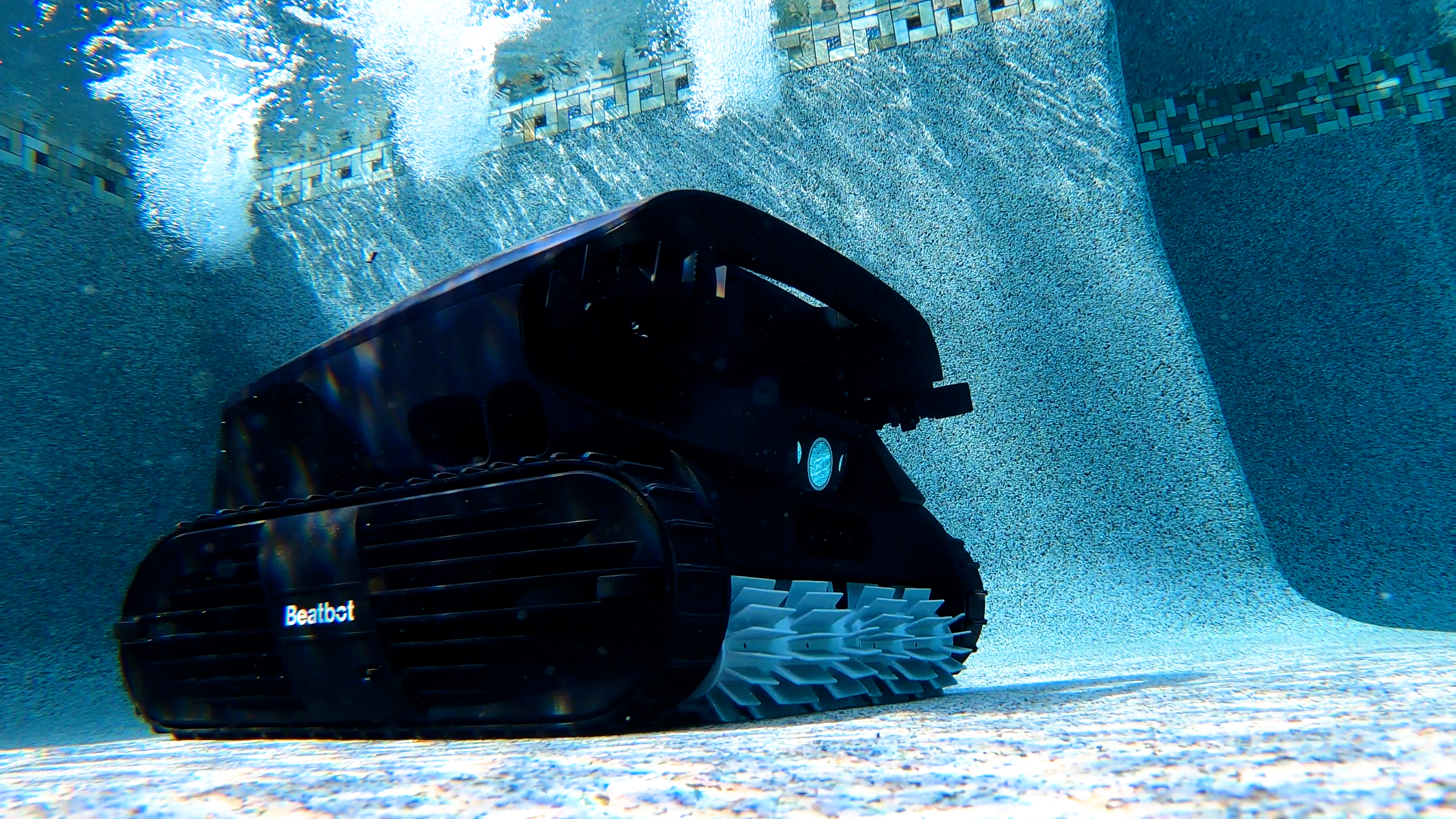
It's all marketing. Cordless sounds futuristic, but when it comes to real-world performance? Corded still wins. Every. Single. Time.
I want to be fair to all products, but cordless quite frankly just dumb. It's taking a concept that works well for some products and applying it where it makes absolutely no sense for the actual user experience.
The right tech is about solving problems, not creating new ones. And in this case, cutting the cord just cut the convenience.
Battery Life
So cordless robots aren't the best—and the Beatbot AquaSense 2 Ultra is a perfect example of why.
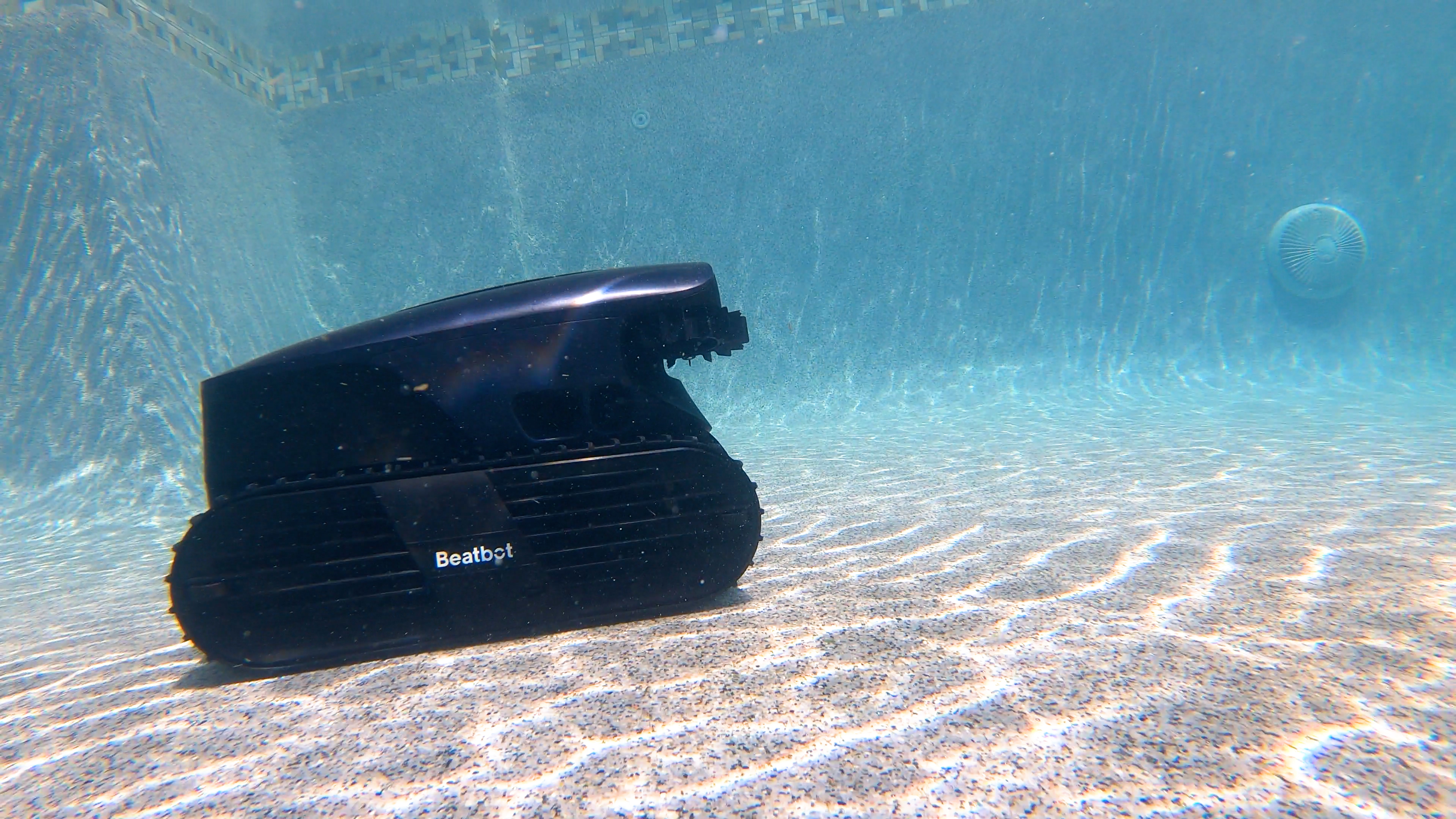
Let's talk about the battery. Beatbot claims this thing delivers up to 10 hours of surface cleaning and around 4.5 hours when tackling walls. Sounds impressive, right?
When the AquaSense 2 Ultra drops to 15% battery, it floats to the surface so you can retrieve it. Sounds convenient, right? It even lets you call it over via the app—but there's a catch. You have to catch it in that tiny window between 15% and 0% battery. If you're not paying attention, or if you're just a little too late? It sinks right back to the bottom.
And in our case, it died, sunk to the bottom, and flipped itself upside down. In the deep end. So I had to get arm deep in the pool, just to fetch it out with the included hook and my pool pole. Not fun.
Seriously. Once the battery dies, it doesn't just wait at the surface—it drops like a rock. So unless you're standing poolside, ready to grab it, you're fishing it off the floor manually. The worse part? When I picked it up, some of the debris fell right out.
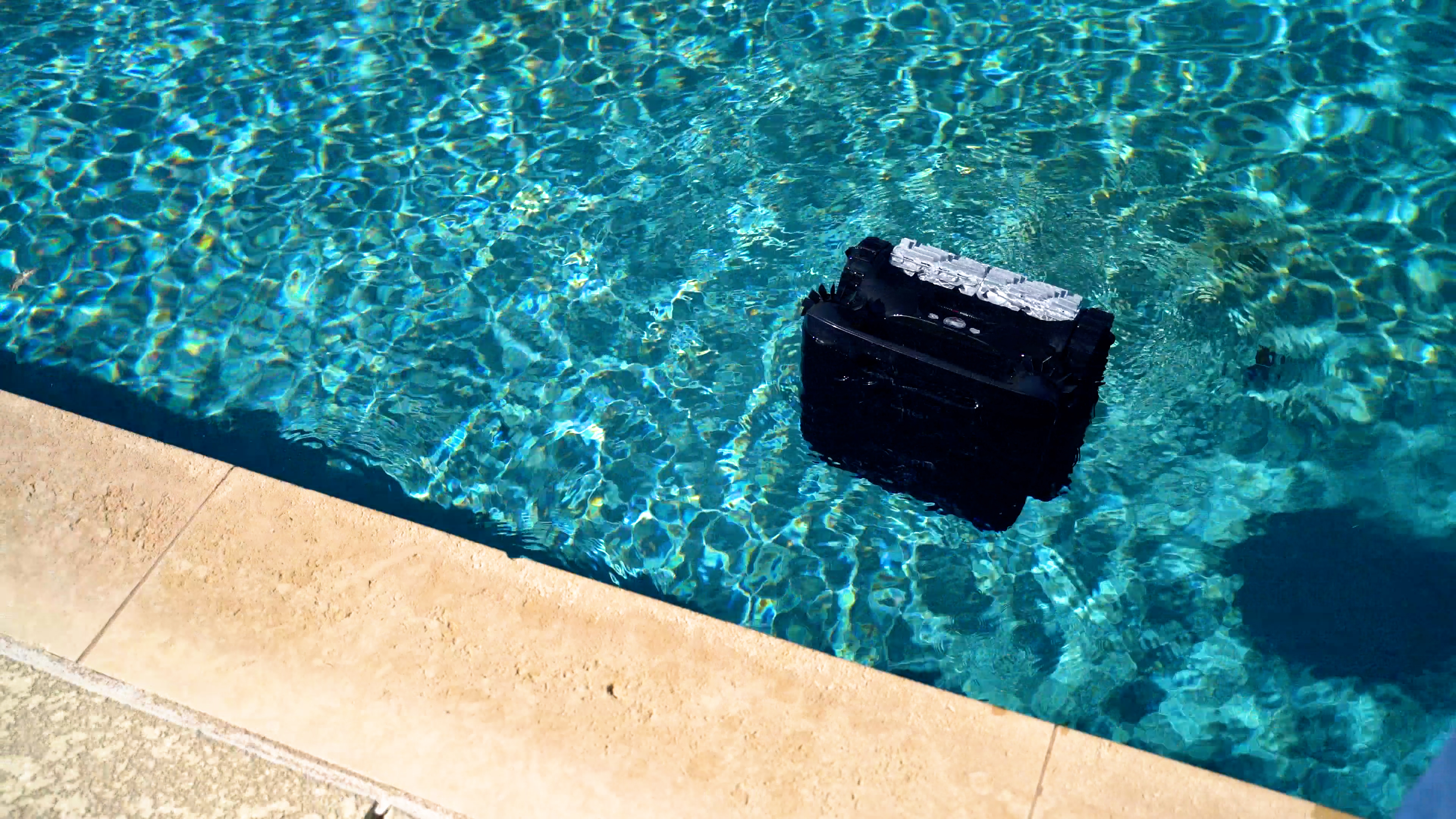
For a so-called "smart" feature, this feels pretty dumb.
And here's another problem—the filter is tiny. It fills up in minutes, yet the robot just keeps running. There's no alert, no notification to empty it, nothing. It keeps going as if it's cleaning, but really, it's just dragging debris around at that point. Super inefficient. Other robots I've tested at least notify you when the filter is full. This one? You won't know until you pull it out and realize it's been running uselessly for hours.
Charging - The Stand Situation
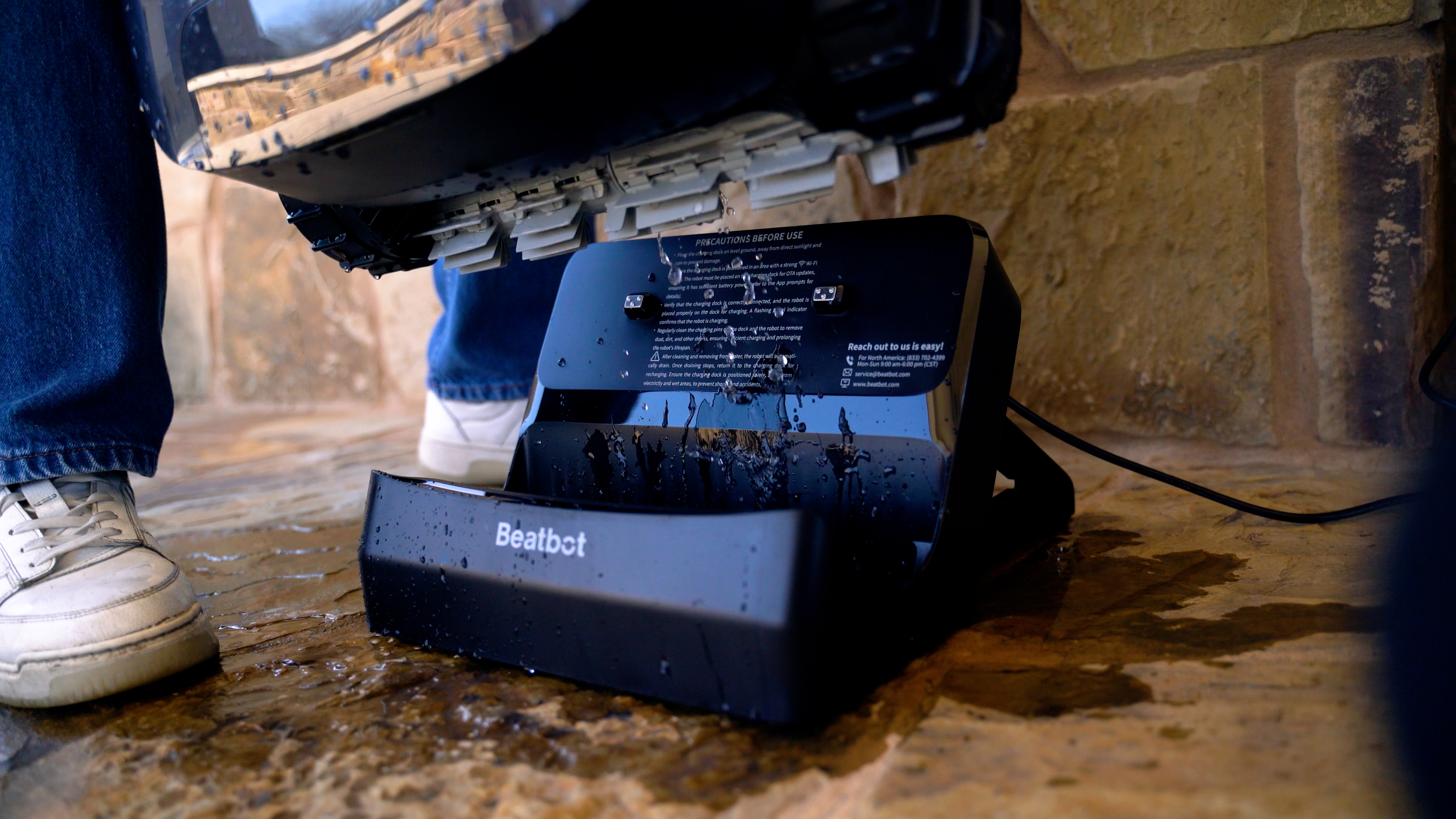
The charging setup is another head-scratcher. You have to charge it on its dedicated stand—no USB-C, no magnetic puck, no universal option. And if that stand breaks? You're out $159 for a replacement. That's right—one hundred and fifty-nine dollars for a plastic stand.
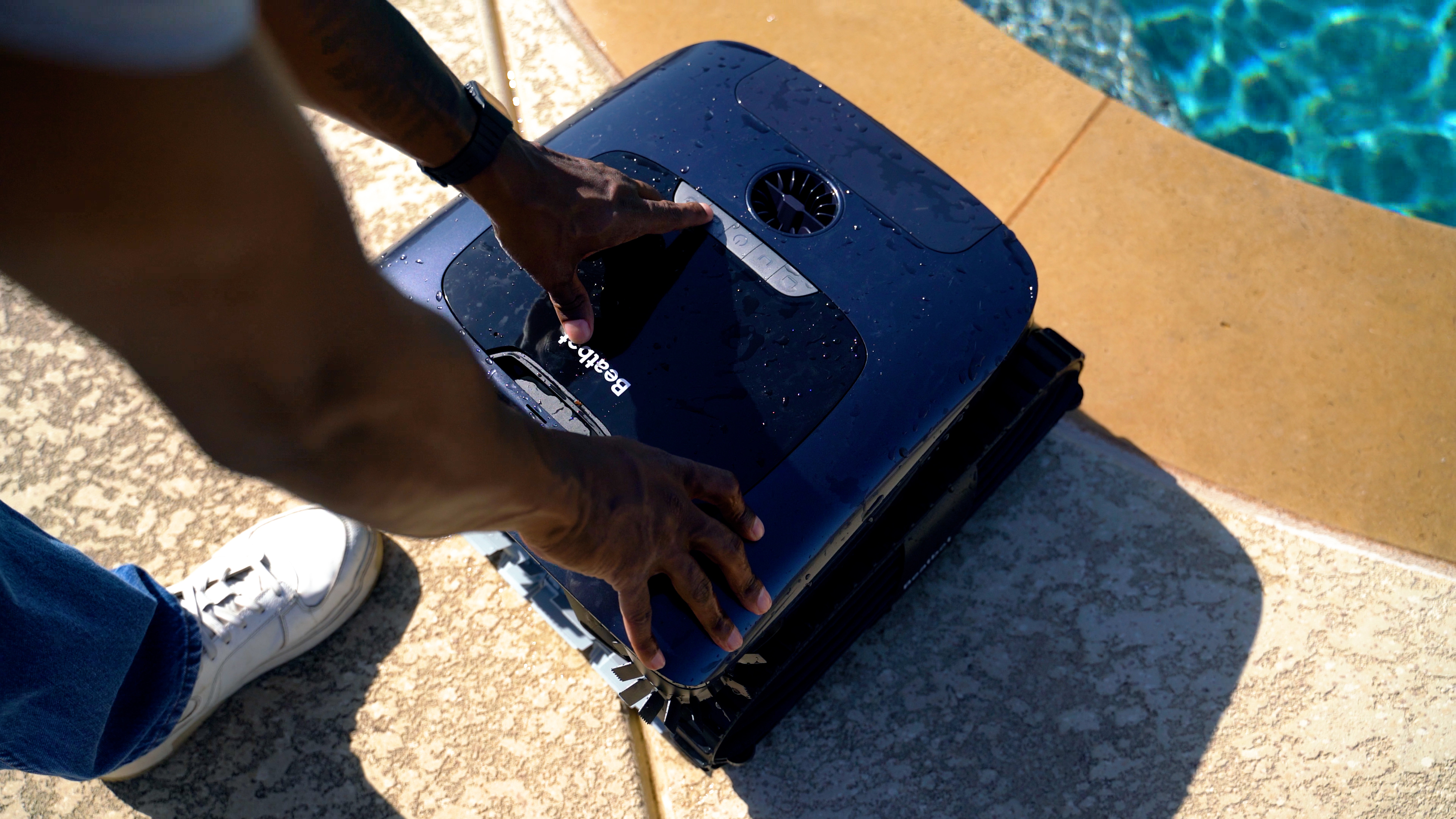
Naturally, I took a closer look at it. It's just plastic and the charging part. No premium materials, no high-tech components—just an overpriced necessity that you have no choice but to buy if anything happens to the original.
Is this thing even going to last multiple seasons? A more versatile, universal charging solution would have been the smarter move here.
One of my biggest complaints is every time I put it on the stand after cleaning, it appears the motor or a fan is still running. And with reports of alleged fires starting from other brands with batteries, it doesn't make me too comfortable leaving it out to charge without supervision.
SURFACE SKIMMING
One of the big selling points of the AquaSense 2 Ultra is its surface skimming feature. In theory, it should be a great addition—cleaning debris off the water's surface before it sinks.
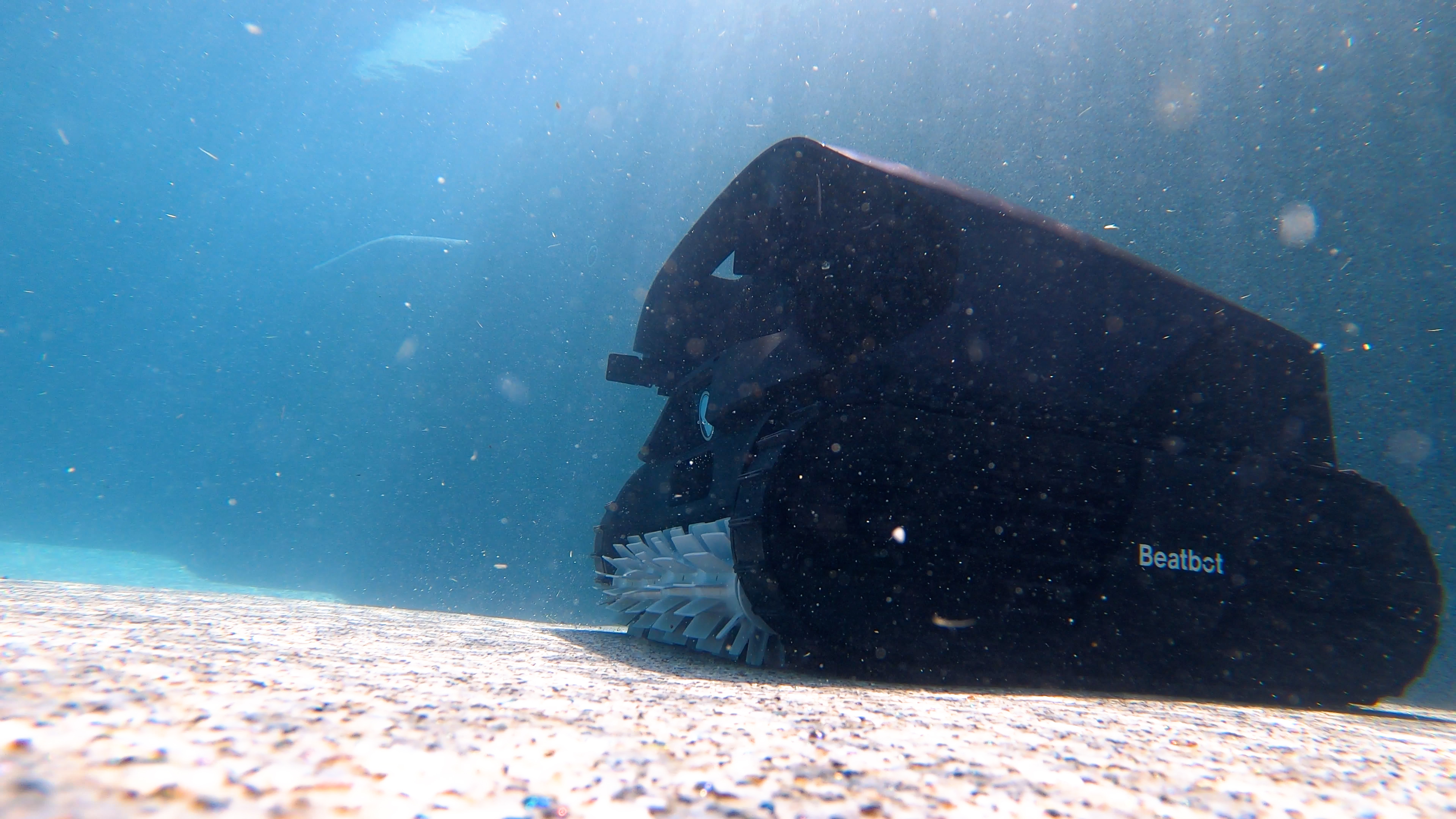
But here's where some basic physics works against it. As the robot moves, it creates waves and water displacement, which actually push floating debris away before it can collect it. I tested this by tossing in some leaves and watching what happened. Instead of being pulled in, the leaves just drifted away. The robot ended up chasing them rather than actually skimming them. Not exactly what you want from a premium feature.
And here's the real problem—you have to choose between using it as a skimmer or as a vacuum. Why? Battery life. This thing constantly needs to be recharged. If you want to skim the surface, that eats into the battery you could be using to vacuum the pool floor. And vice versa.
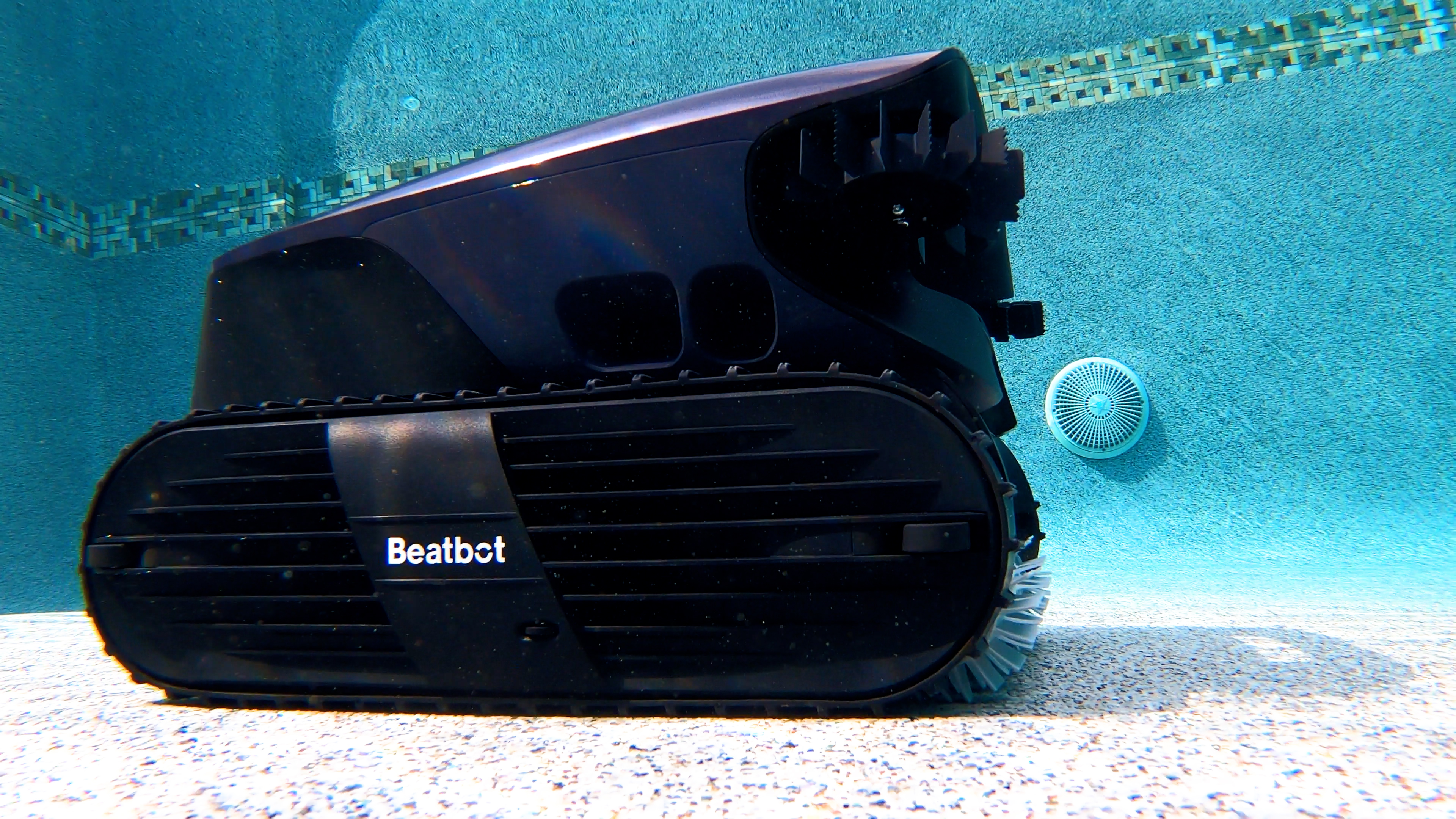
It's disappointing because the idea is solid, but in reality, it doesn't deliver. A pool cleaner shouldn't make you pick between doing one job decently or the other—it should just clean the pool.
FILTER BASKET
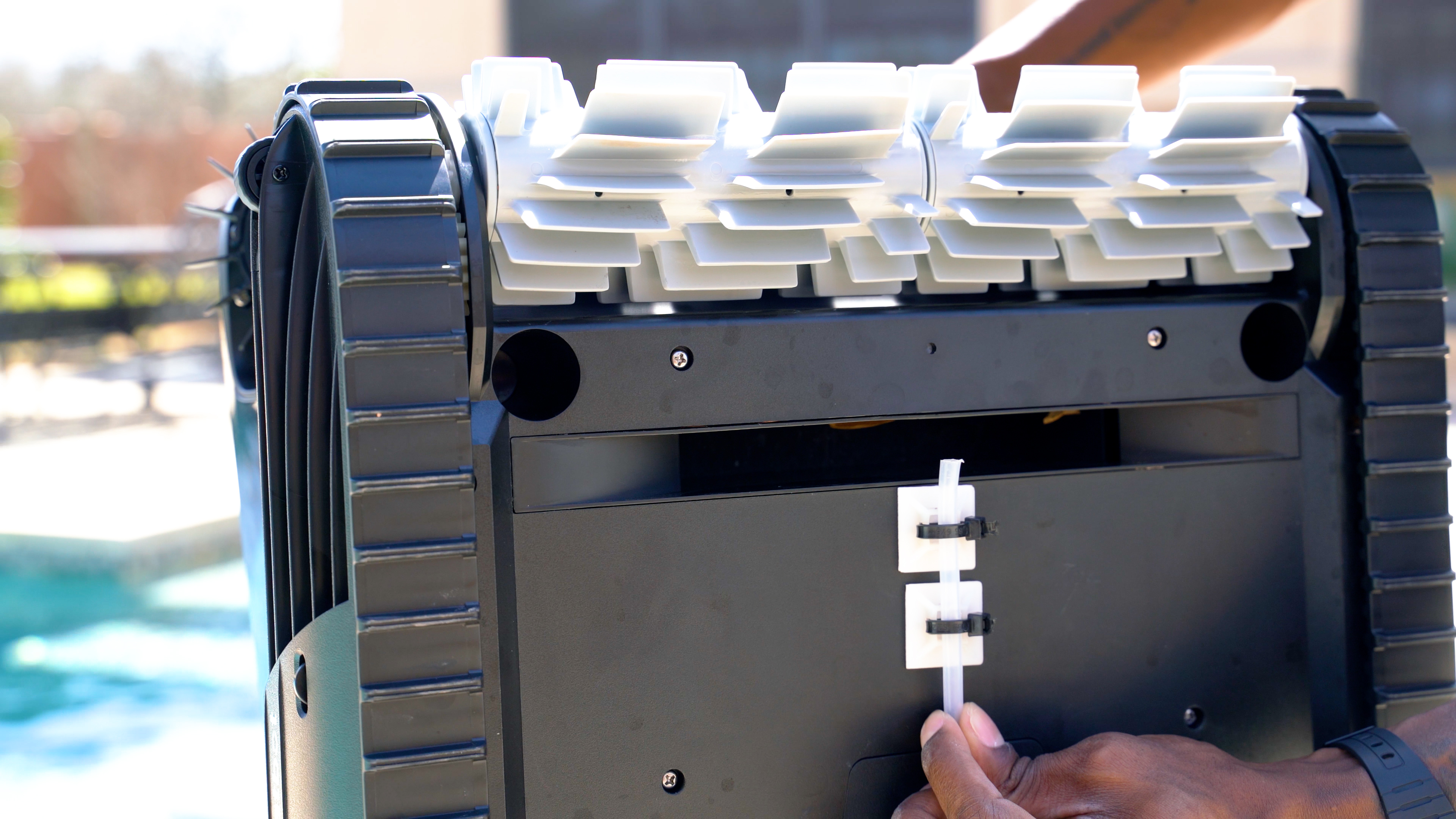
First of all, it's tiny. I brought along the Dolphin Quantum—another robot I've actually tested before. The Quantum is a corded robot that costs around $1,200. So we're talking roughly one-third the price of this one. And check this out—the basket is noticeably larger and holds way more debris.
Second problem—what Beatbot claims as "ultrafine" isn't what I'd consider ultrafine at all. Look at this comparison: here's Dolphin's mesh filters, here's Dolphin's nanofilters, and here's the Beatbot "Ultrafine" filters. Yeah... It's just standard mesh. Nothing ultrafine about it.
Beatbot has this dual layer design—which sounds great in marketing materials. But in real-world testing, the filter just doesn't hold up. The basket just feels cheap compared to the other brands.
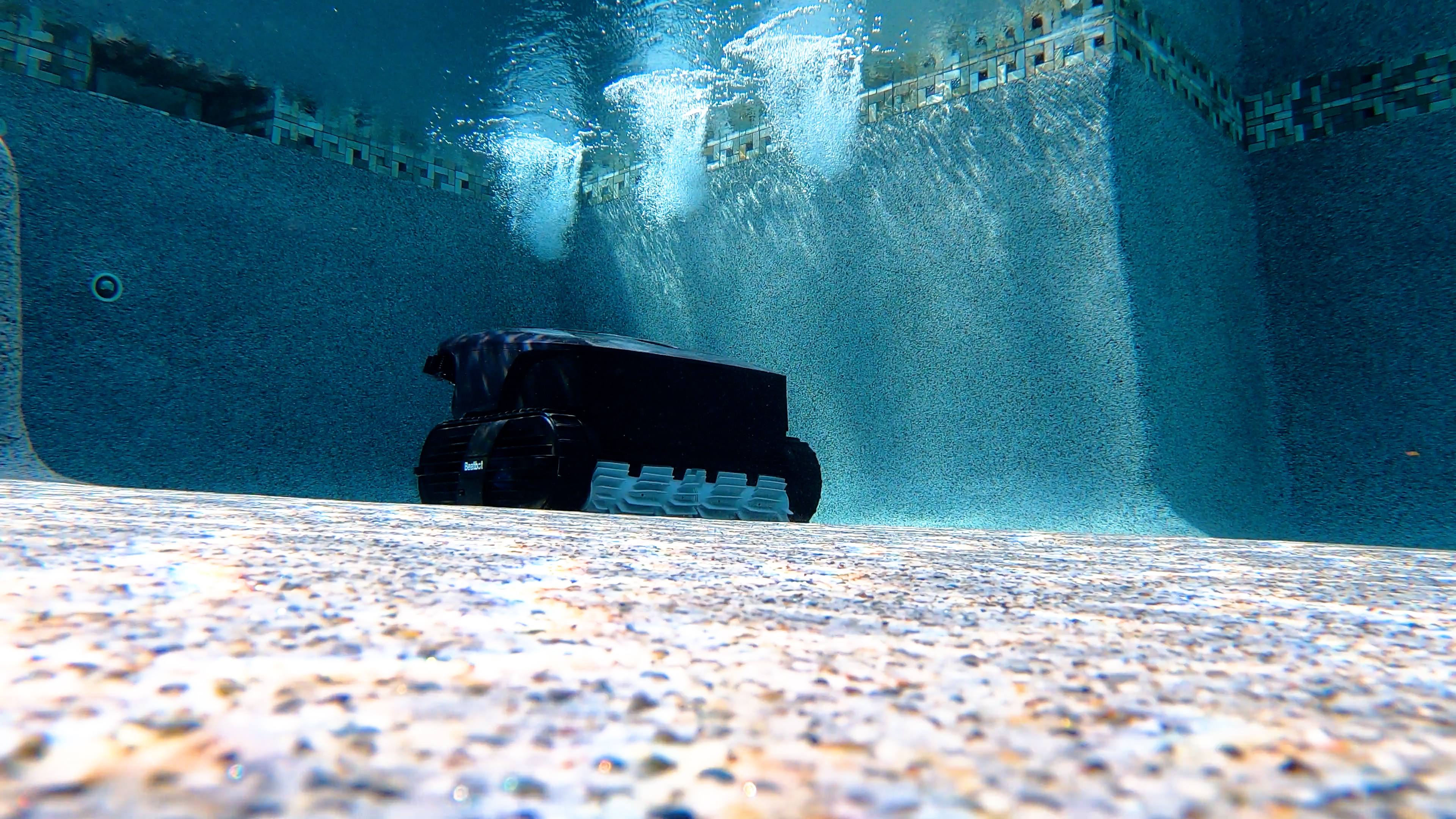
But the worst part might be the design itself—it has all these little nooks and crannies that make it a pain to clean thoroughly. I found myself spending way too much time just trying to get all the gunk out of these tiny spaces. A simpler design would have made it easier to clean. Compared to the Quantum's dropdown filter, I spent significantly more time cleaning the Beatbot.
It's so disappointing to pay that much money for this.
APP CONNECTIVITY
The app situation is... not good. As soon as this thing goes underwater, it loses connection. Complete disconnection. So all those fancy features they advertise about monitoring or controlling your robot in real-time? Only work when it's not actually cleaning your pool underwater.
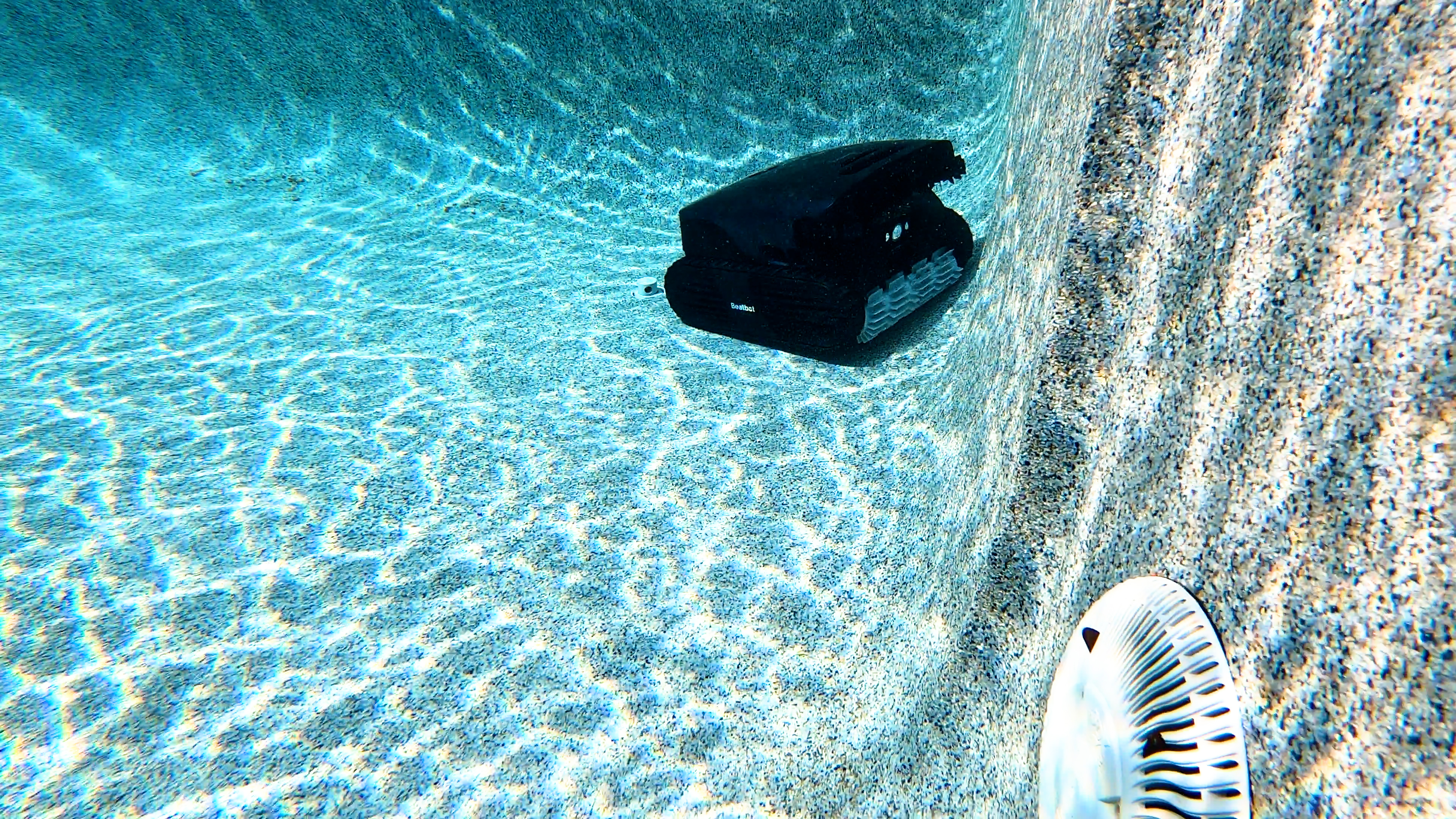
Beatbot makes a big deal about this app. It's in all their marketing materials. But here's the thing—as soon as the robot is submerged? It doesn't work. At all. You can only use it when the device is out of the water or floating on the surface. How dumb is that?
So all this innovation and tech they're bragging about—but you can't manually drive it around or swap cleaning modes mid-cycle when it's actually, you know, cleaning your pool? Let's say you want to stop it mid-cycle to let your kids swim. You would literally have to catch a moving robot with a pole. Super tricky. A total fail on Beatbot's part.
Imagine if your smartphone only worked when you weren't using it. That's basically what we're dealing with here. This kind of connectivity issue is just unacceptable, especially at this price point.
WEIGHT
Finally, let's talk about the weight. This thing comes in at 24 pounds dry. That's heavy. Then add some extra pounds of water weight and it's super difficult to hook out of the pool. Especially when it's something you need to lift in and out of your pool on a daily basis to recharge.
A lighter design would have made a huge difference in the user experience. But that would have required Beatbot to actually think about the people using their product, and based on my experience, I'm not convinced they did much of that.
Actually Used vs. Amazon Reviews
Before testing the Beatbot AquaSense 2 Ultra, we checked out the Amazon reviews—and they were suspiciously glowing. Tons of five-star ratings, people raving about how this thing was a game-changer. But after actually using it? Yeah, no.
Turns out, Mozilla's Fakespot rated this product an F for review quality. What does that mean? According to Fakespot, it means the reviews are unreliable. And after testing it firsthand, we get why. The battery life is frustrating, the surface skimming is a joke, and the charging setup is a money grab. The real-world experience did not match the hype.
COMPARING TO OTHER ROBOTS
I've tested over a dozen robotic pool cleaners, and the AquaSense 2 Ultra falls way behind in almost every category. I just cannot recommend a cordless cleaner over a corded one. With more power, better filtration, a weekly timer, and even a lower price tag, don't waste your money on the Beatbot AquaSense 2 Ultra and get a real corded cleaner.
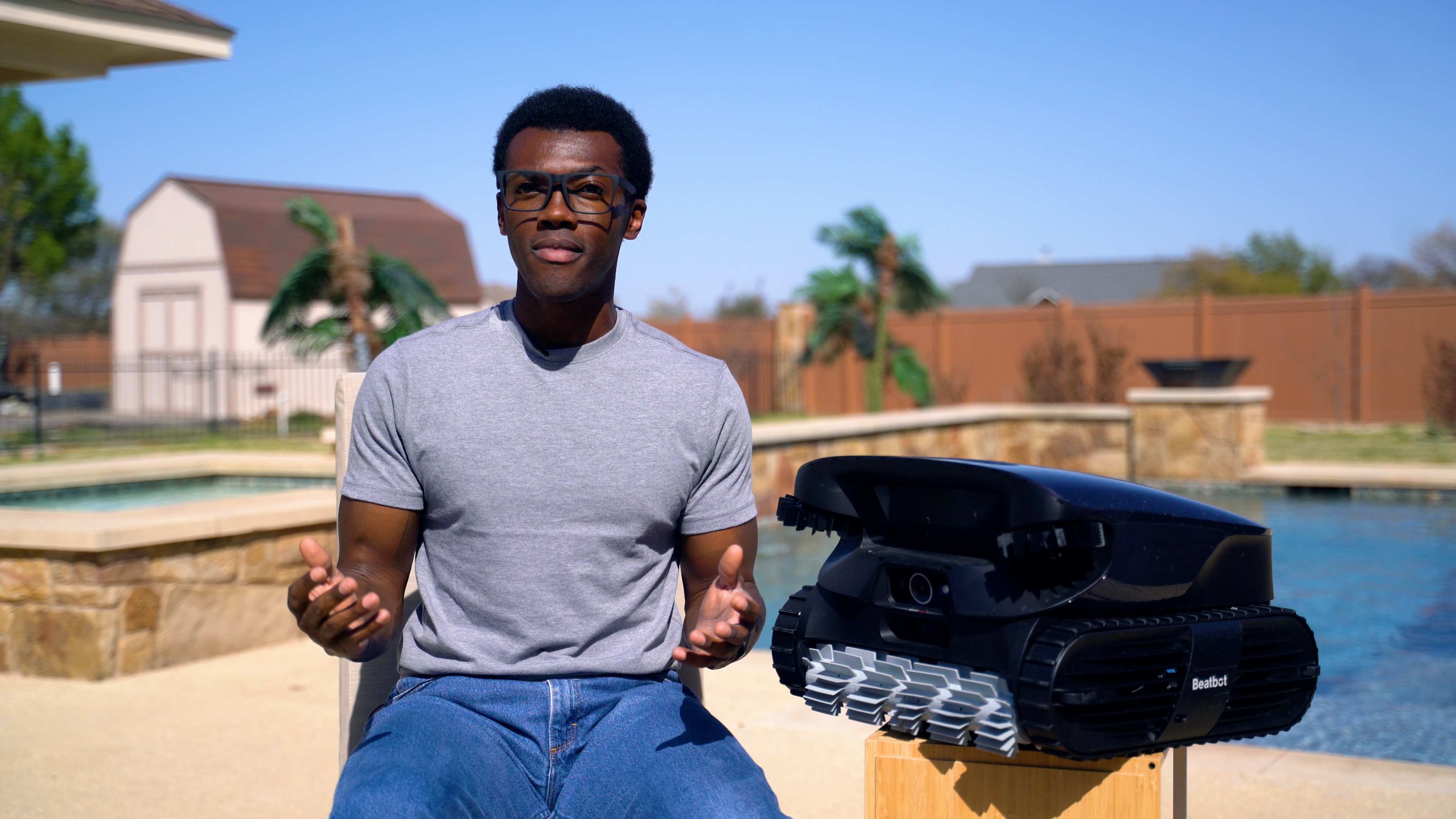
Want powerful and reliable suction at a fraction of the price? Get a Dolphin Premier.
Want surface skimming? Get a solar powered surface skimmer like the Betta SE.
So here are some of my top picks for what I'd get instead.
Dolphin Premier
If you want pure cleaning power, the Dolphin Premier is in a completely different league. It has Multi-Media filtration, so you can swap between NanoFilters, a leaf bag, or standard filters depending on what your pool needs.
Meanwhile, the AquaSense 2 Ultra is stuck with one tiny filter basket that fills up fast, forcing you to empty it constantly.
The Premier's dual commercial-grade motors provide powerful suction and deep scrubbing, whereas the AquaSense 2 Ultra struggles to keep up. And because the Premier is corded, you never have to deal with a dead battery or recharging—just set it and let it clean every day for you—without lifting a finger.
Dolphin Sigma
One of the biggest disappointments with the AquaSense 2 Ultra is its app experience—or rather, the lack of one. You can check battery life and manually call the robot over, but that's about it. You can't actively control it while it's running, adjust cleaning modes in real time, or get meaningful performance insights. It's just a basic interface with minimal functions.
Compare that to the Dolphin Sigma, where the MyDolphin Plus app actually gives you control over the robot while it's cleaning. You can switch between cleaning modes, manually steer it to problem areas, and schedule automatic cleanings—all from your phone. You get real-time feedback, so you know what the Sigma is doing and whether it's actually cleaning efficiently.
Meanwhile, the AquaSense 2 Ultra? You press start and hope for the best. No mid-cycle adjustments, no direct control—just a robot wandering aimlessly until the battery dies.
Dolphin Quantum
If you want a robotic pool cleaner that actually handles debris without constant babysitting, the Dolphin Quantum is a solid choice. Unlike the AquaSense 2 Ultra, which relies on a tiny, basic filter basket that fills up way too fast, the Quantum comes with an oversized MaxBin filter—holding way more debris, meaning less emptying and more cleaning.
And while the AquaSense 2 Ultra's filtration is basic at best, the Quantum offers real NanoFilters, designed to trap ultra-fine particles that other robots miss. That means clearer water and less work for your pool's filtration system.
But here's the kicker—it costs 1/3rd the price. And for that, you get a weekly smart timer, so you can schedule automatic cleanings without ever needing to turn it on manually. Meanwhile, the AquaSense? No scheduling, no automation—you have to start it every single time.
The Quantum is proof that you don't have to spend a fortune to get a pool robot that actually works.
Would I Buy It Again?
Not a chance.
For over $3,500, save your money. You're way better off with a corded cleaner—one that actually does its job without the constant recharging, sinking, or tiny filter basket that fills up in minutes.
The AquaSense 2 Ultra is all hype and no follow-through. It tries to do everything but doesn't do anything well—and for a price that's three times higher than corded cleaners that actually work.
If you want a robot that cleans like it's supposed to, lasts for years, and doesn't make pool maintenance a chore? Go corded.
Thanks for watching, catch y'all on the next one.